

RefrigiWear’s appeal starts with a practical idea: outerwear should do more than look warm. Founded in New York in 1954 to dress workers in cold-storage facilities, the brand built its name on insulation, durable fabrics and details designed to withstand demanding conditions. Today, that workwear DNA appears in both protective clothing and urban collections, where utility shapes and archive references are made for everyday wardrobes.
That distinction matters when choosing a RefrigiWear piece. Some garments are engineered for extreme cold and industrial use; others reinterpret the heritage through parkas, bombers, vests and casual layers for city life. The shared language is functional outerwear, but the intended use can be very different.
From the cold store to the city
RefrigiWear’s history began with workers in New York’s Meatpacking District and Fulton Fish Market. The company’s founders wanted an alternative to heavy wool coats and layers of bulky clothing. Early insulated garments were developed to keep workers comfortable in cold environments, and the brand’s Iron-Tuff line became one of its defining names.
Over time, the practical appeal travelled beyond the workplace. Durable, insulated jackets and distinctive workwear proportions found an audience among outdoor enthusiasts and, later, fashion-conscious shoppers. The brand’s own history documents its evolution from specialist cold-weather clothing to a wider presence in European outerwear and collaborations with streetwear and fashion labels.
The result is not simply a work jacket with a new logo. RefrigiWear’s urban collections draw on archive silhouettes and functional details, then reinterpret them through contemporary fits, colours and materials. The Icons collection makes that link explicit, describing pieces drawn from the brand’s historical archive and reworked for a modern wardrobe.
Two kinds of outerwear, one heritage
A useful way to shop the label is to separate its products into two broad categories.
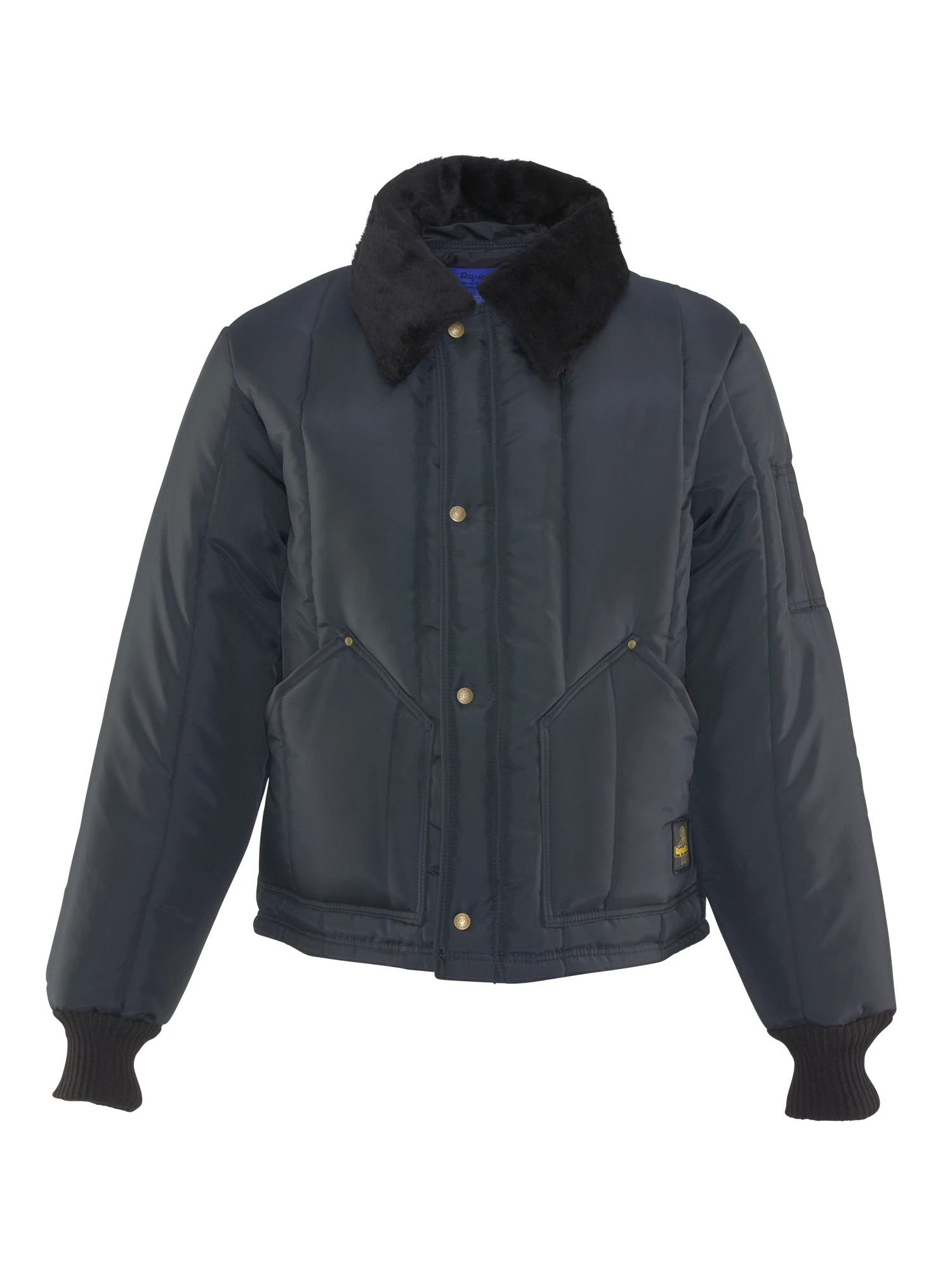
Technical workwear is designed around conditions and protection. These garments may feature substantial insulation, robust outer fabrics, reinforced stress points and specific temperature ratings. They can suit professional cold environments or demanding outdoor use, but may feel heavier and roomier than a typical fashion jacket.
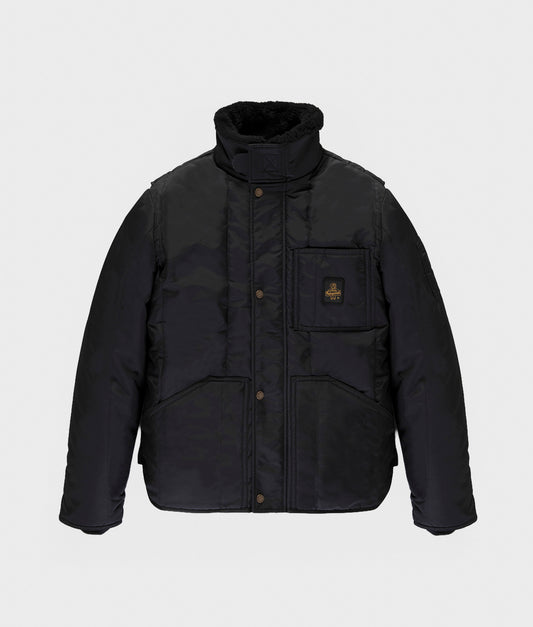
Urban outerwear borrows the visual codes of workwear (practical pockets, substantial collars, padded shapes and utility-inspired construction) while prioritising everyday styling. RefrigiWear’s seasonal collections include categories such as parkas, bombers, padded jackets, coats, vests and lighter jackets. Within that range, choose based on your climate and how much warmth you need, rather than assuming every heritage-inspired piece offers the same protection.
What to look for when choosing a jacket
1. Start with your everyday temperature
Consider the weather you actually dress for. A padded parka may suit long outdoor commutes and colder winters; a lighter jacket or vest can be easier to wear through milder seasons or when moving between indoors and out. Check the garment’s product description for insulation and weather-protection details. A style that looks substantial is not, by appearance alone, proof of a particular warmth rating.
2. Read technical ratings in context
RefrigiWear’s industrial line includes garments with stated comfort ratings. For example, the Iron-Tuff Arctic Jacket is listed with a -50°F comfort rating and features 11.25 ounces of RefrigiFill polyester insulation, a 400-denier nylon shell, a water-repellent and wind-tight finish, bound seams and a storm-flap zipper.
Those specifications describe that particular workwear jacket, not every coat in the RefrigiWear range. If you are comparing products, look for the individual garment’s rating and construction notes. For everyday city dressing, a dramatic technical specification may be less important than comfortable layering, mobility and a silhouette that works with the rest of your wardrobe.
3. Choose the right length and volume
A shorter jacket can pair easily with jeans and relaxed trousers, while a longer parka offers more coverage and creates a stronger outerwear statement. Check how much room the cut leaves for a jumper or sweatshirt. Technical workwear often allows for layers; an urban style may have a different profile. Use the product measurements and size guidance rather than relying on the label’s general look.
4. Think about the details you will use
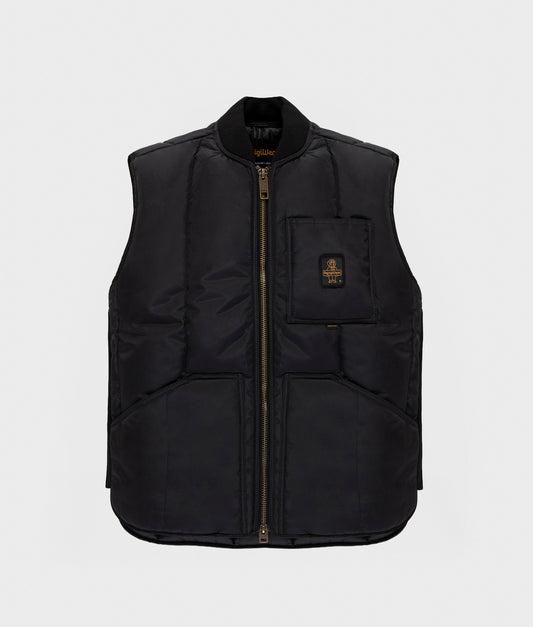
Pockets, hoods, cuffs and fastening systems make a difference in daily wear. A high collar or adjustable hood can be useful in wind; a vest can add warmth over knitwear without the full coverage of a coat. Reinforcement, heavy-duty zips and storm flaps are practical features on technical pieces, while colour, texture and proportion may lead your decision on a fashion-led jacket.
Styling the workwear influence
The easiest way to wear a bold insulated jacket is to let it lead. Keep the rest of the outfit simple: straight-leg denim, a clean knit or sweatshirt, and practical footwear. This balances a roomy or padded silhouette without making the outfit feel overly technical.
For a more considered city look, try a parka or city-style coat with tailored trousers and a fine-gauge knit. The contrast between structured clothing and utilitarian outerwear gives the jacket a polished role rather than making it feel like specialist equipment. A vest can be layered over a hoodie or knit for a relaxed outfit, especially in transitional weather.
Colour can also shift the mood. Black and dark blue are versatile choices that work easily across casual wardrobes. Earthy shades, muted green and lighter neutrals make a more noticeable statement while still complementing denim and knitwear. Keep accessories restrained when the jacket already has a strong shape or prominent detailing.
A practical fit check
Before choosing a size, consider what you plan to wear underneath. If you want a close city fit, check the garment measurements and compare them with a jacket you already own. For technical pieces, the brand’s sizing guidance notes that garments are intended to fit loosely, with extra room for insulation and layers. That guidance is specific to its workwear sizing, so do not automatically apply it to every urban style.
If you are between sizes, review the fit notes and measurements for the exact model. Sleeve length, shoulder room and hem position are especially useful details to check when shopping online. A generous fit can be comfortable and true to the workwear aesthetic, but it should still allow you to move easily and wear the jacket as intended.
Is RefrigiWear right for your wardrobe?
RefrigiWear is worth a look if you appreciate outerwear with a clear functional origin, substantial materials and a recognisable workwear profile. Its urban pieces offer an approachable way to wear that heritage; its technical jackets are more specialised choices, with product-specific features and ratings to assess carefully.
Start by deciding whether you need everyday insulation, a distinctive streetwear layer or protection for demanding cold conditions. Then compare the cut, construction and product details of the exact garment. For complementary pieces, explore men’s clothing, women’s clothing and accessories at 78+ Designers. Our 30-day return policy offers added reassurance when choosing online.
Ultimately, RefrigiWear’s move from workwear to streetwear is less a change of identity than a wider expression of it: clothing shaped by function, adapted for different settings and designed to make outerwear a considered part of everyday style.


