

Prada’s appeal often lies in the details: a practical fabric treated with care, a clean shape with an unexpected proportion, or a familiar accessory made to feel newly considered. The Italian house has built a distinctive language around these contrasts, bringing together function, experimentation and restraint.
Understanding that language makes it easier to choose pieces that feel relevant beyond a single season. This guide explores the codes behind Prada and offers a practical way to bring its intelligent approach to everyday dressing.
Prada and the art of making the ordinary feel considered
Founded in Milan in 1913 by Mario Prada, the house began as a maker and retailer of luxury goods. Its contemporary identity became closely associated with Miuccia Prada, whose approach challenged the idea that luxury must rely on traditional materials or visible ornament.
Nylon is the clearest example. In the late 1970s and 1980s, Prada brought a lightweight, functional, synthetic fabric into a luxury setting. The material’s association with workwear became part of its appeal: it was practical, tactile and modern, yet presented with a precise design sensibility. Prada’s account of its nylon heritage describes the material as a defining element of the house’s modernist language.
That contrast remains central. A bag can be useful without looking purely utilitarian. A simple garment can carry a point of view through its cut, finish or construction. Prada often makes familiar things interesting not by adding more, but by changing how they are used or understood.
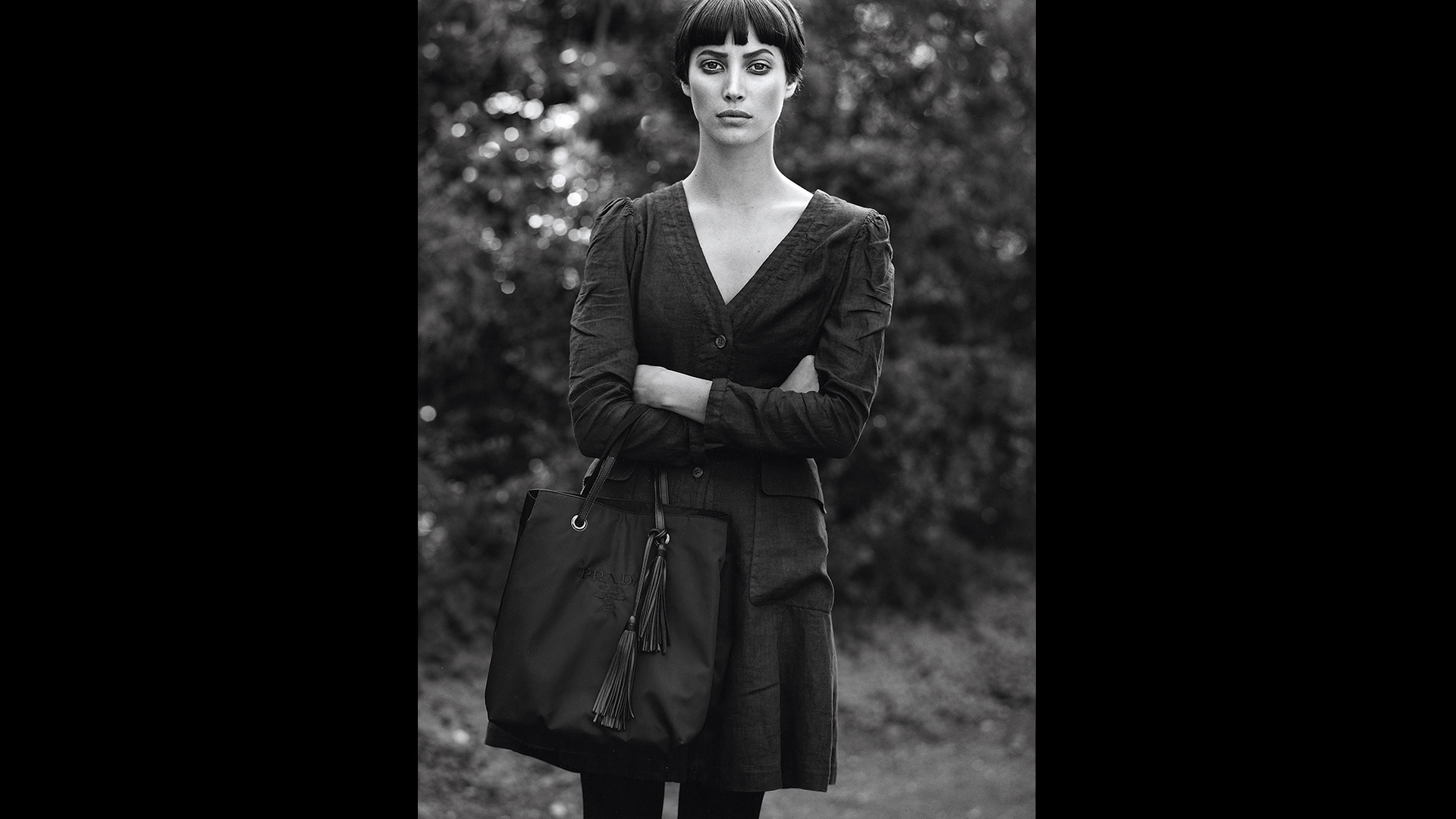
The design codes to notice
Prada’s collections change, but a few recurring ideas help explain the brand’s character.
Function with a point of view. Pockets, straps, buckles and practical shapes are not simply hidden away. They can become part of the visual design. Utility is treated as an aesthetic choice as well as a practical one.
Material contrast. Nylon beside leather, technical fabric with tailoring, or a crisp surface against a soft one creates a subtle tension. The combination can feel polished without appearing overly formal.
Restraint and disruption. Many pieces begin with a clean silhouette, then introduce one unexpected element: a proportion, texture, colour or detail that shifts the overall impression. The result is often distinctive without being loud.
Recognisable codes. The triangle motif, black nylon and Saffiano leather are among the house’s familiar signatures. They offer continuity, while each collection can reinterpret them in a new context.
Saffiano is a crosshatched calfskin associated with Prada. Its structured texture provides a different kind of character from nylon: more formal and defined, yet still suited to everyday use. The Prada Galleria story explains how the bag’s Saffiano leather and classic shape connect the design to the brand’s heritage.
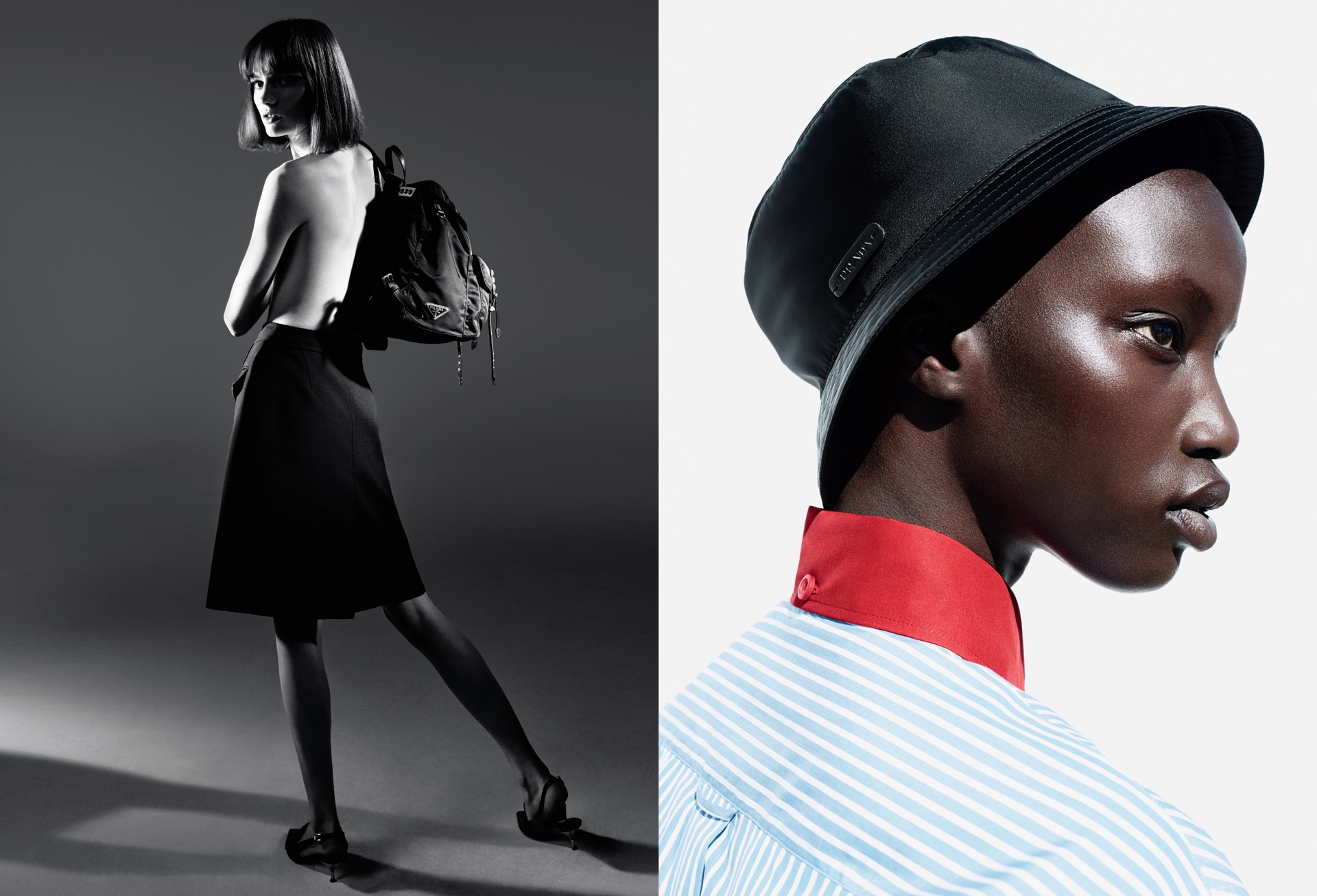
How to wear Prada: intelligent design in everyday outfits
Prada’s design vocabulary can be useful even when building an outfit around just one statement piece. The aim is not to reproduce a runway look from head to toe. Instead, choose a balance between practical basics and one considered detail.
Start with a useful anchor
Choose a piece that has a clear role in your day: a lightweight bag, a refined jacket, a pair of polished shoes or a versatile knit. Think about how it will work with the clothes you already wear. A practical piece earns its place when it can move between settings, not just when it looks striking on its own.
Let one detail lead
If a piece has a bold logo, unusual texture or distinctive shape, give it room. Pair it with straightforward items in complementary colours. For example, a structured bag can sharpen a simple coat and knitwear; a technical jacket can feel more considered alongside clean-cut trousers and minimal accessories.
Use contrast with intention
A useful styling approach is to combine two different moods: sporty with tailored, soft with structured, or casual with polished. Keep the contrast focused. One clear pairing usually feels more assured than several competing references.
Consider proportion and comfort
A clean silhouette can depend on small choices. Check where a jacket sits at the shoulder, how a trouser leg falls over footwear, or whether a bag is practical for what you carry. The most effective everyday luxury feels comfortable in motion as well as composed at rest.
The official Prada Re-Nylon feature illustrates how the house applies its material ideas across accessories and ready-to-wear. It also outlines the Re-Nylon project and its connection to the brand’s broader approach to design and responsibility.
A practical guide to materials
Materials affect how a piece looks, feels and fits into a wardrobe. A few straightforward questions can help you assess them.
For nylon and technical fabrics: Notice the weight, surface and finish. Is the garment light enough for layering? Are pockets and closures placed where they will be useful? Follow the care instructions on the specific item, since technical finishes can require different treatment from standard fabrics.
For leather: Look at the texture and structure, and consider how formal the finish feels with your existing wardrobe. Saffiano’s defined crosshatch gives it a crisp appearance; softer leathers may feel more relaxed. Care needs vary, so check the product guidance before cleaning or storing a leather item.
For ready-to-wear: Read the composition and garment details, then compare them with how you plan to wear the piece. A crisp, structured fabric may hold its shape well, while a softer knit may offer more ease. Where available, use the size guide and garment measurements rather than relying on a size label alone.
Re-Nylon is made using regenerated nylon yarn. Prada’s published materials explain the project’s use of recycled inputs and its place in the house’s wider design language. For any item, check its individual product information for specific composition and care details rather than assuming every component is made from the same material.
Building a wardrobe around Prada’s ideas
A considered wardrobe does not need to be extensive. Start with pieces that suit your routines and work with more than one outfit. A practical accessory can add a distinct note to simple clothing; a well-cut garment can make everyday combinations feel more deliberate.
Before choosing, ask yourself:
- Does the piece suit how I dress most days?
- Can I style it with at least two or three items I already own?
- Is the fit comfortable for the way I will use it?
- Do the material and care requirements work for me?
- Is the distinctive detail one I will enjoy wearing regularly?
These questions keep the focus on longevity and personal style rather than a short-lived trend. If you are exploring options beyond one house, browse women’s clothing or accessories at 78+ Designers. For added confidence when shopping, 78+ Designers offers a 30-day return policy with a money-back guarantee.
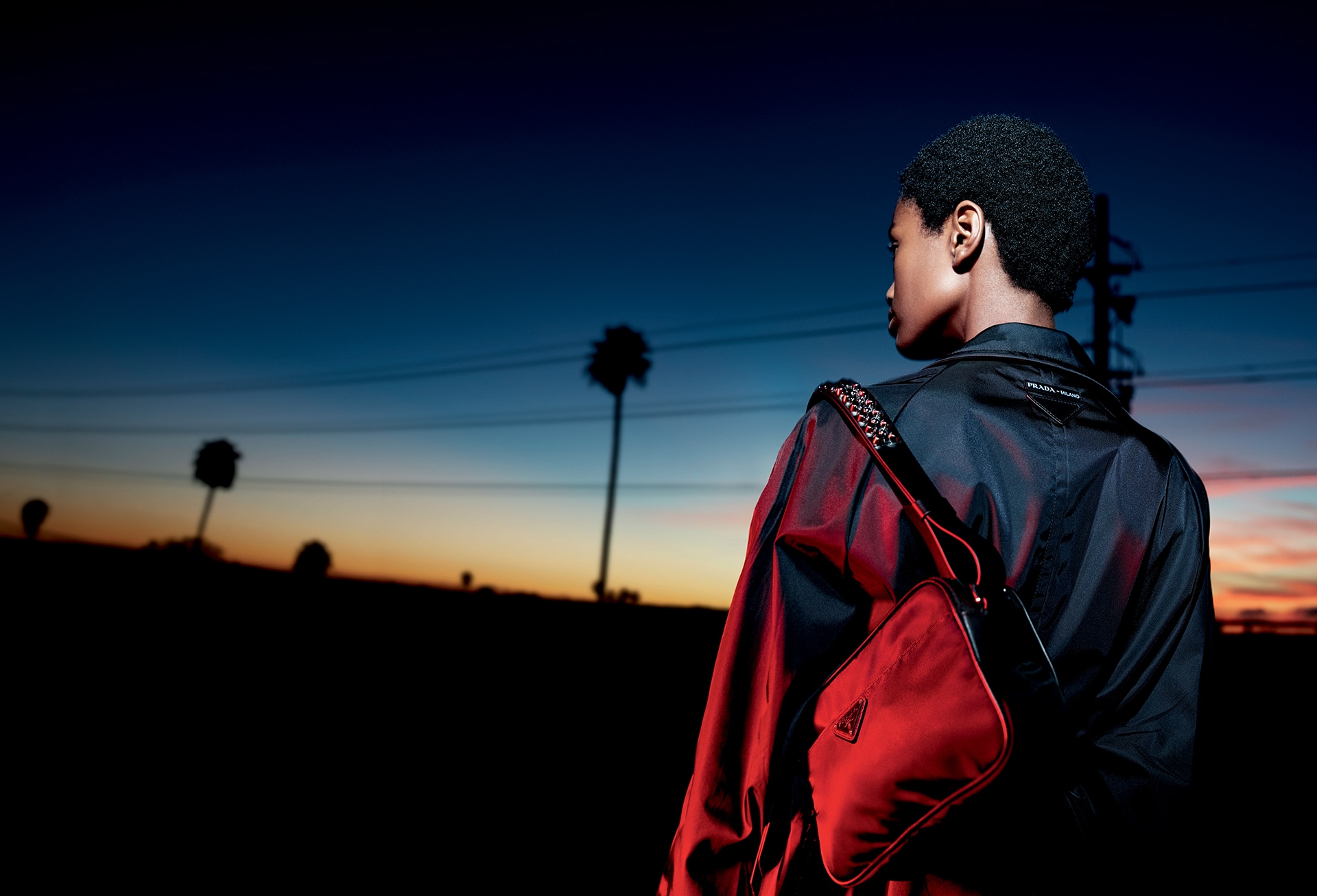
The lasting appeal of intelligent design
Prada’s idea of luxury is not limited to special occasions. Its most enduring pieces show how practical materials, thoughtful construction and unexpected contrasts can enrich everyday dressing. Nylon made function part of the brand’s identity; leather, tailoring and recognisable details continue to give that idea new expression.
When choosing a piece, look beyond the label. Consider the material, the fit, the details and the ways it can work with your existing wardrobe. That is where Prada’s design approach feels most useful: in clothes and accessories that combine a clear point of view with the ease of being worn often.


