

Italian outerwear label Peuterey brings together practical design and a polished, city-ready look. Its jackets are made for everyday use, with technical fabrics, insulation and considered details that can make cold-weather dressing more comfortable.
But “technical” can mean different things from one jacket to another. A water-repellent puffer is not necessarily waterproof, and a lightweight insulated style is not automatically suited to deep winter. Here’s what to look for when choosing Peuterey outerwear, and how to find a style that fits your climate and routine.
An Italian approach to technical outerwear
Peuterey’s name refers to the Peuterey ridge on Mont Blanc. The three dots in its logo evoke the mountain’s peaks. The brand’s history and identity reflect a mix of Italian design and outdoor-influenced clothing.
The result is not simply equipment for mountain sports. Peuterey translates practical features (such as insulated filling, protective collars and useful pockets) into jackets intended for the city, travel and daily wear. The design language often stays restrained, with clean lines and details that serve a purpose rather than dominate the look.
What “technical” means in practice
Technical outerwear is best understood by looking at a garment’s individual features. Depending on the style, these may include a water-repellent finish, stretch fabric, a detachable hood, windproof cuffs or down insulation. The exact combination varies, so check the product details rather than assuming every jacket offers the same protection.
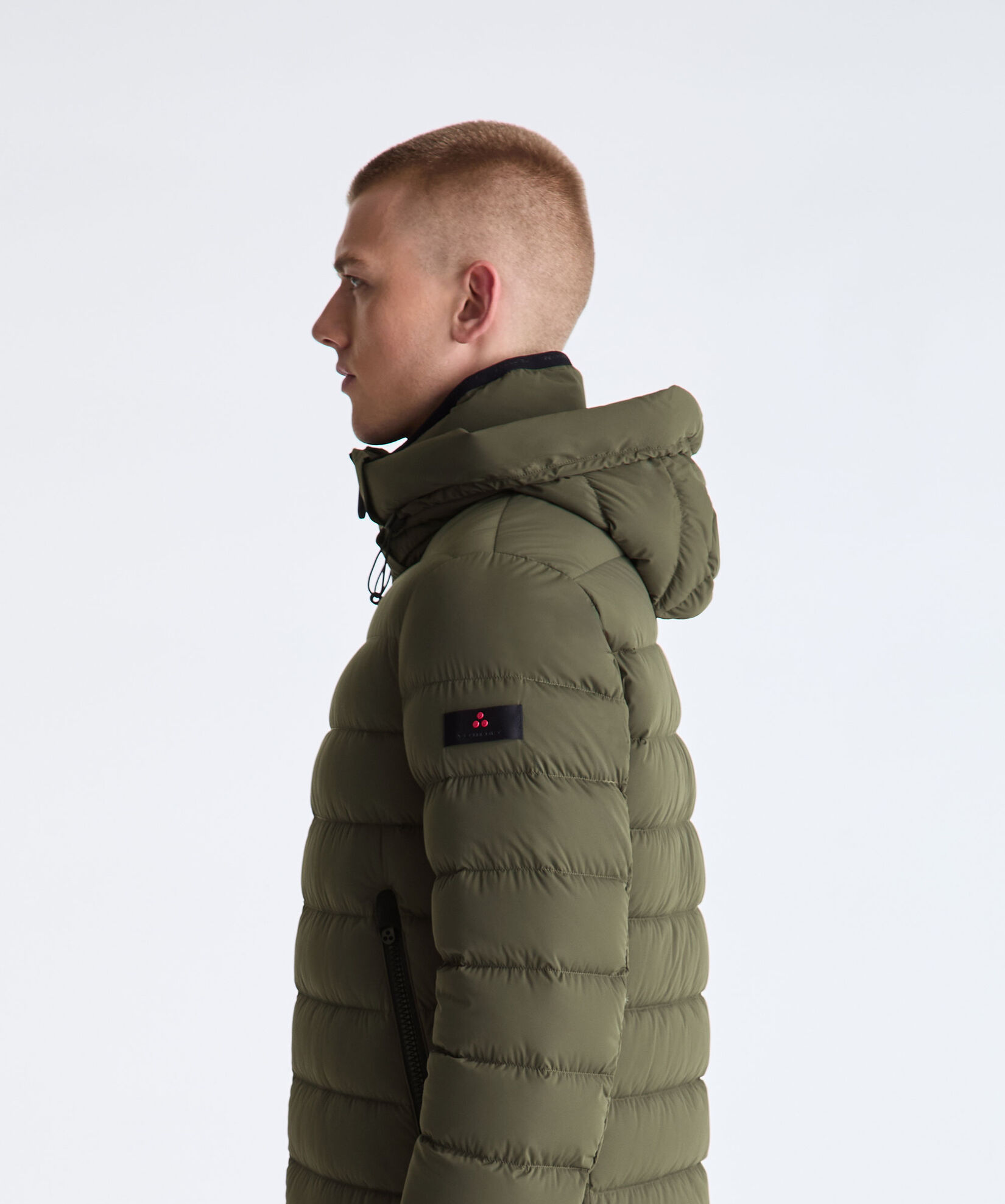
For example, Peuterey’s stretch-fabric down jacket uses matte stretch nylon, certified natural down and a PFC-free water-repellent treatment. Its details include a removable hood, stand-up collar, large side pockets and windproof cuffs. The product is described as water-repellent, not fully waterproof: it is designed to help with light rain and humidity, rather than guarantee protection in prolonged heavy rain.
That distinction is useful when shopping. If you expect sustained rain, check whether a jacket is specifically described as waterproof and whether its construction is suited to those conditions. If the description says water-repellent, think of it as protection for lighter precipitation.
Insulation and warmth: read the grade
Peuterey groups some of its outerwear by an Insulation Grade. The brand gives these temperature bands as guidance:
- Everyday Lightweight: around 15°C to 5°C
- Cooler Days: around 10°C to -5°C
- Winterproof: around 10°C to -15°C
These ranges overlap, and they are not guarantees of how warm a particular jacket will feel. Wind, rain, activity, the layers underneath and personal comfort all matter. Use the grade as a starting point, then consider your local weather and how you plan to wear the jacket.
A light jacket can be convenient for milder days or when you’ll be moving between indoor and outdoor settings. For colder weather, a down-filled style may offer more warmth without a bulky feel. For longer periods outdoors in low temperatures, look for the product’s stated insulation level and protective features, and allow room for an extra layer if needed.
Down or synthetic padding?
Peuterey uses both down and synthetic padding in its outerwear. Each option has different characteristics, so the best choice depends on your preferences and the needs of the garment.
The brand describes its down and feather filling as RDS-certified, traceable and designed to regulate comfort as temperatures change. Down is often chosen for warmth and lightness. Peuterey also uses recycled polyester padding, designed to provide insulation while offering softness and compressibility.
Rather than relying on the label alone, check the product page for the filling type and any relevant certifications. Consider the jacket’s weight, intended warmth and how you’ll use it. If you want a piece that packs down easily for travel, packability may matter; for damp conditions, look closely at the shell fabric and the stated weather protection as well.
Fit, layering and choosing a size
A jacket should feel comfortable over the clothes you expect to wear beneath it. When trying one on, move your arms and shoulders, fasten the front and check that the hem and cuffs sit as you prefer. A fit that is too tight can limit movement and make layering difficult; too much room may feel less streamlined.
Peuterey’s size guide includes garment-specific measurements and fit information. Start with your chest or bust, waist and hip measurements, then compare them with the relevant official size guide. The size printed on a familiar brand may not translate directly, and regular and oversize cuts will fit differently.
For layering, think in terms of the conditions you actually face. A base layer and a medium-weight jumper may suit a typical cold day. If you expect colder weather or spend more time outside, you may want a warmer jacket and a little extra room for a mid-layer. The goal is ease of movement without compressing the insulation.
Design details that earn their place
Some of the most useful features are simple. A detachable hood offers flexibility; a stand-up collar adds coverage around the neck; secure pockets keep essentials close at hand. Windproof cuffs can help reduce drafts at the sleeves. Stretch fabric can make a jacket more comfortable when moving through a busy day.
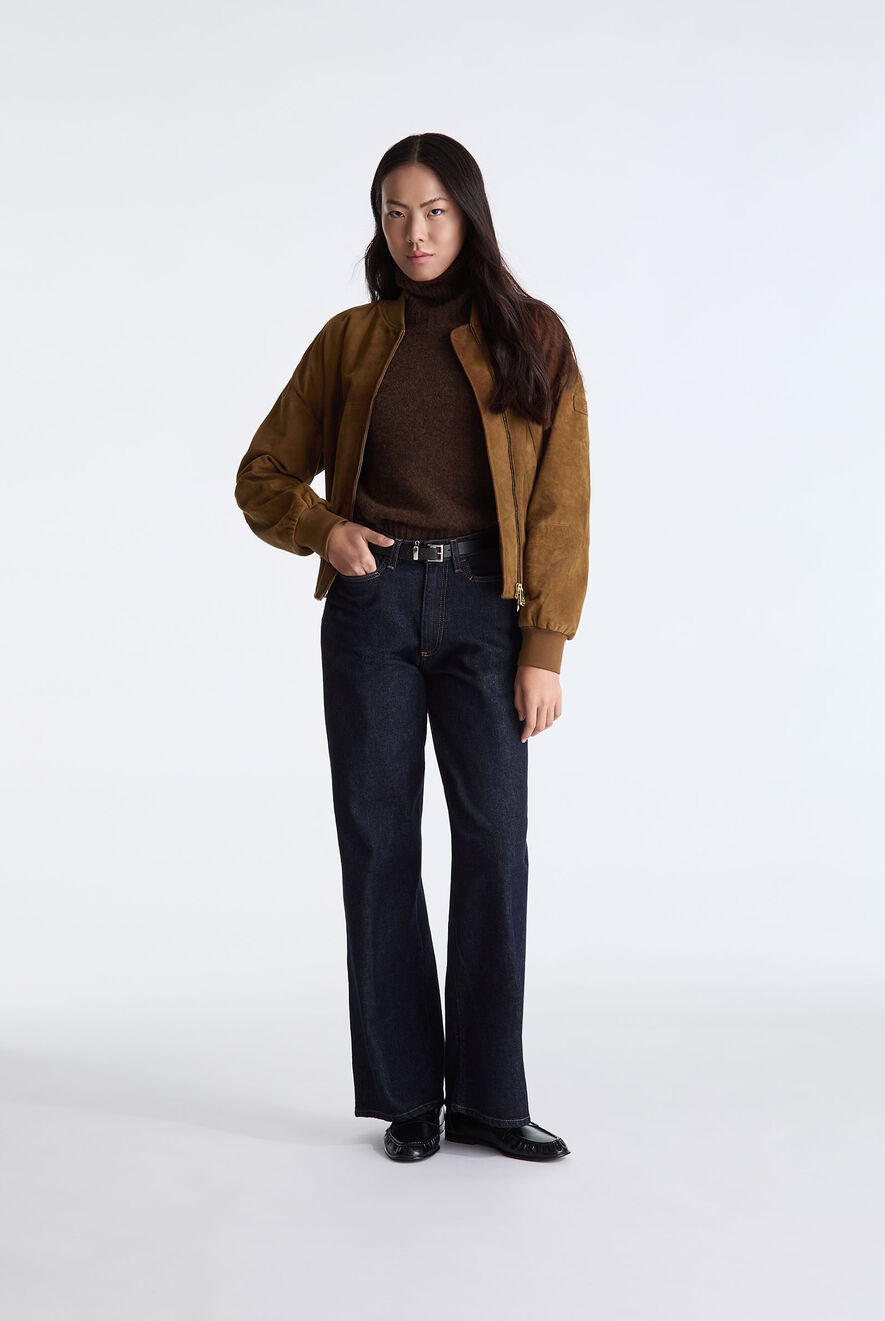
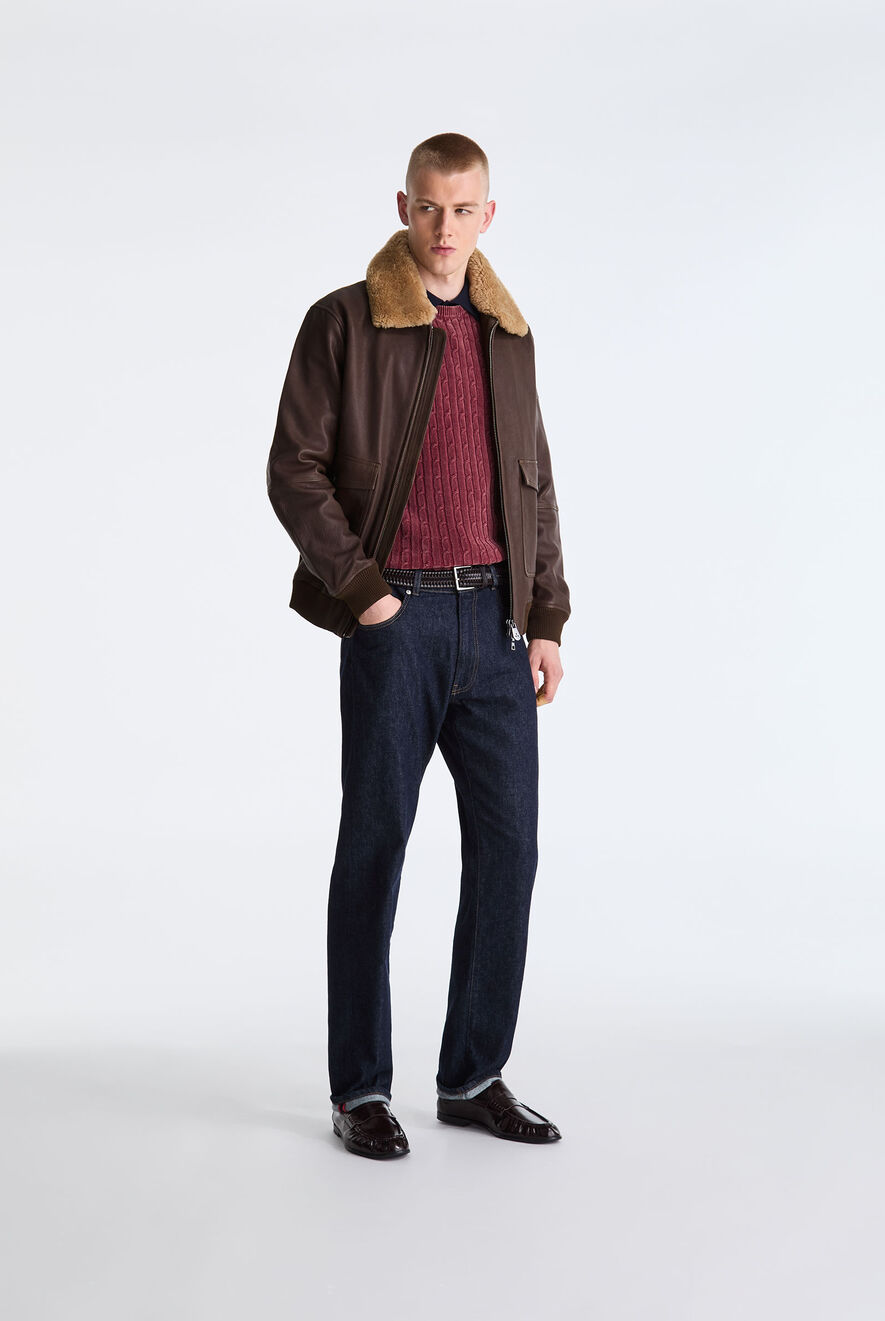
Look at where pockets sit and whether the closure suits your routine. Consider the jacket length: a shorter cut can feel easy to wear with everyday outfits, while a longer silhouette may offer more coverage. Peuterey’s range also includes styles in materials such as suede, wool and leather, so “technical outerwear” can extend beyond a conventional puffer.
Care helps preserve performance
Always follow the care label on your specific jacket. Different fabrics and fillings may require different treatment. Peuterey’s garment-care guidance recommends taking care with padded styles: close zips and buttons, turn the garment inside out, avoid fabric softener and use only the detergent amount directed.
For down or synthetic padding, drying matters. If the label allows tumble drying, Peuterey advises a low temperature; dryer balls can help restore volume. Without a dryer, shake the jacket to redistribute the filling and lay it flat away from direct sunlight, checking that it dries fully. Do not assume that a method suitable for one jacket is right for another, check its sewn-in label first.
A quick checklist before buying
Before choosing a Peuterey jacket, ask:
- What weather will I wear it in? Use the insulation grade as a guide, not a promise.
- What does the shell protect against? Distinguish water-repellent from waterproof.
- Which filling does it use? Check whether it is down or synthetic padding.
- Will it layer comfortably? Compare your measurements with the fit notes and size guide.
- Can I care for it properly? Read the product’s care instructions before purchase.
Peuterey’s appeal lies in the balance between useful outerwear features and clean Italian styling. A little attention to insulation, weather protection and fit can help you choose a jacket that feels right for the way you live.
For more designer wardrobe options, browse the men’s collection and women’s collection at 78+ Designers, where competitive pricing makes exploring designer fashion more accessible.


