

Some emblems are more than a finishing touch. On Lyle & Scott knitwear, the Golden Eagle carries a story that stretches from a Scottish Borders hosiery business to the golf course and, later, British street style. Understanding that journey makes the familiar motif feel less like a logo and more like a link between the brand’s craft heritage and its changing place in fashion.
From Hawick, with a knitwear tradition
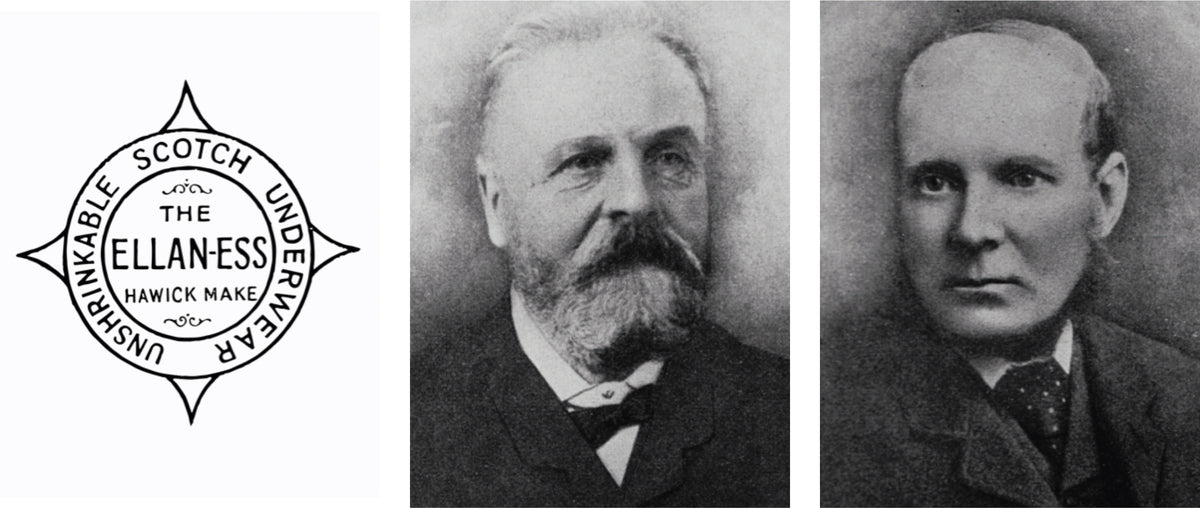
Lyle & Scott began in 1874 in Hawick, a Scottish Borders town with a long-established knitwear industry. Founders William Lyle and Walter Scott brought experience from the local hosiery trade to a business producing knitted hosiery and underwear. In its early years, the company traded under the name “Ellan-ess,” a phonetic play on the founders’ initials.
The setting mattered. Hawick’s textile history and skilled workforce helped establish it as a centre for knitted garments. Lyle & Scott’s own brand history traces this local foundation and the firm’s growth from its first factory. The original identity was not the Golden Eagle: the emblem came much later, after decades of work in knitwear.
That distinction is worth remembering. The eagle is often the first detail people recognise, but it represents one chapter in a much longer story. Long before it appeared on a jumper, the company was building its reputation through the practical business of making knitted clothing.
The Golden Eagle takes flight
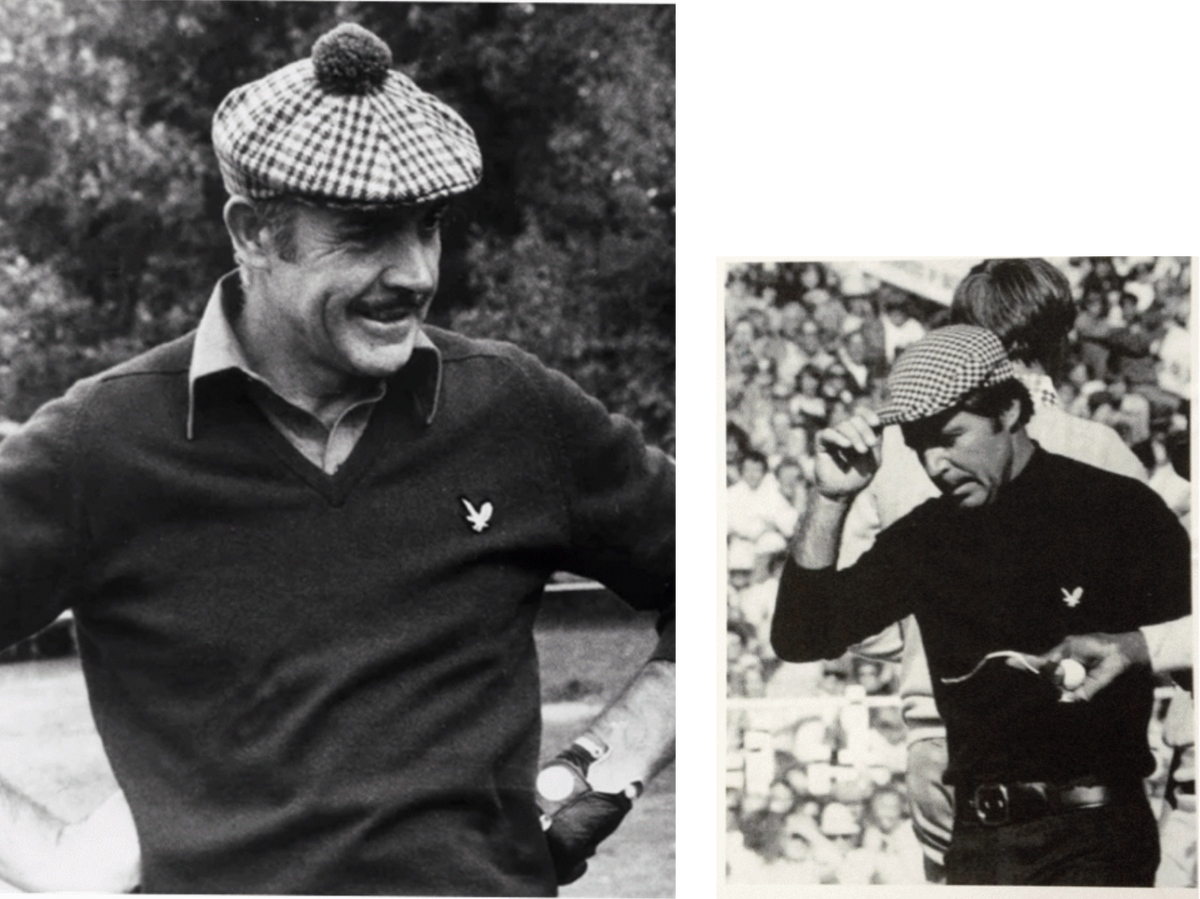
In the 1960s, Lyle & Scott moved into golf apparel, a natural extension for a company with experience in knitwear. Golf clothing needed to combine a polished appearance with ease of movement, and jumpers were already part of the game’s classic wardrobe. The brand’s history of golfwear identifies 1967 as the year the Scottish Golden Eagle was commissioned for the golf range.
That timing gives the symbol a particular meaning. The eagle was not part of the company’s original mark; it was created as a distinctive motif for a new sporting chapter. The bird’s Scottish association also made it an apt emblem for a brand rooted in the Borders. On a V-neck, the embroidered eagle provided a clear point of recognition without requiring a prominent wordmark.
Lyle & Scott’s success in golf helped take the motif beyond the fairway. The brand’s archive notes that Jack Nicklaus wore a Lyle & Scott jumper when he won The Open at St Andrews in 1978. In the decades that followed, the eagle appeared across golfwear and became familiar in British casual dress. It is a useful example of how a sports emblem can move into everyday fashion while keeping its original context.
Knitwear evolves with the times
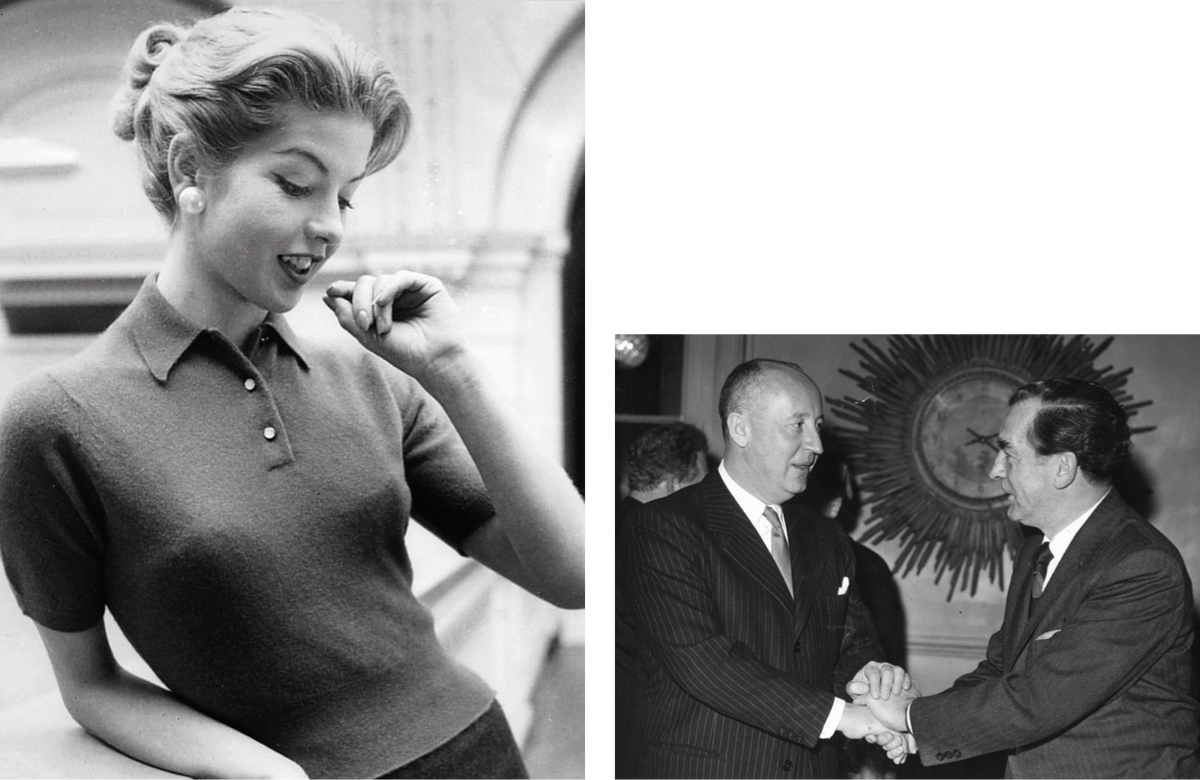
The eagle may have become the most recognisable feature, but knitwear remains central to Lyle & Scott’s identity. The brand’s knitwear guide describes a progression from early knitted underwear to a wider range of jumpers. In 1954, a collaboration with Christian Dior brought Lyle & Scott knitwear to a new fashion audience, a striking meeting of Scottish manufacturing heritage and Parisian design.
In the 1960s and 1970s, the brand’s knitwear also found an audience among Mods, who wore jumpers as part of a carefully considered look. Later, the Golden Eagle became associated with British football terraces and casual style. The pattern is not unusual in fashion: garments made for a particular function can acquire new meaning as different communities adopt them.
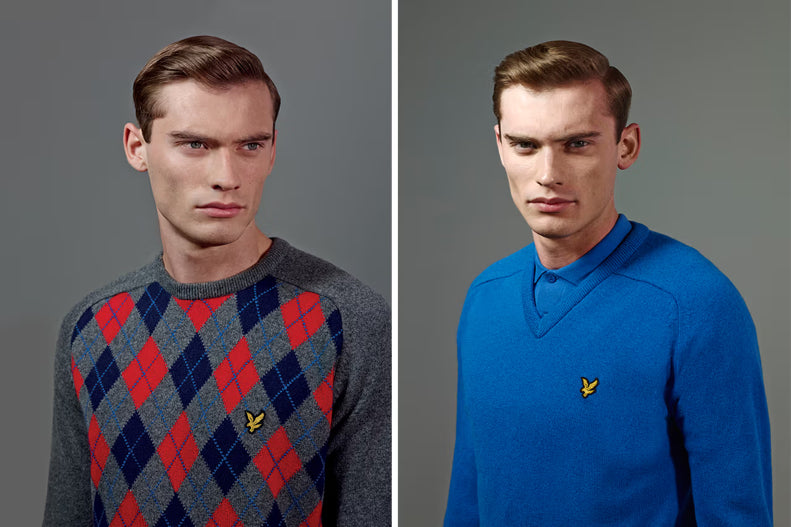
The appeal today lies partly in this versatility. A simple crew neck or V-neck can look at home with jeans, tailored trousers or a collared shirt. The eagle adds a discreet heritage note, while the silhouette and colour determine whether the overall effect feels sporty, classic or relaxed. Rather than building an outfit around the logo, let the knit and its proportions do most of the work.
How to choose a heritage jumper
A good starting point is the shape you will wear most often. A crew neck is easy to layer over a T-shirt or shirt. A V-neck works neatly over a collared shirt and can lend a little structure to a smart-casual outfit. A cardigan gives you more flexibility across changing temperatures and can be worn open or buttoned.
Next, consider colour and pattern. Navy, charcoal and black are straightforward choices for regular wear; burgundy, forest green or a classic argyle can bring more character. If the jumper has a visible eagle or a bold pattern, keep the rest of the outfit comparatively simple. A neutral jacket and clean trousers let the knit stand out without making the outfit feel busy.
Fit is personal, but a few checks help when shopping online:
- Shoulder seams: On a conventional fit, they should sit close to the edge of your shoulder.
- Sleeves: Check that the cuffs reach the wrist without bunching heavily.
- Body length: Make sure the hem works with the trousers or layers you expect to wear.
- Layering room: If you plan to wear a shirt underneath, allow enough space across the chest and arms.
- Size information: Compare the listed garment measurements with a jumper you already own, rather than relying on size labels alone.
Material matters, too. Wool can provide warmth, while cotton knitwear may suit milder weather or indoor layering. Fibre blends can change the feel and care requirements. Check the garment description and care label before buying; don’t assume that every jumper from a heritage brand has the same composition or cleaning instructions.
For wear, rotate knitwear rather than reaching for the same piece every day. Follow the care label, avoid hanging heavier jumpers if that could stretch the shoulders, and store them clean and dry. These simple habits can help a favourite knit keep its shape.
A lasting mark, worn your way
The Golden Eagle’s story is a story of adaptation: a motif commissioned for golfwear became a recognisable feature of British casual style, while knitwear remained a consistent thread from the company’s Hawick beginnings. That background adds context to a jumper, but the best reason to wear one is still practical: it should feel comfortable, suit your wardrobe and work across more than one occasion.
Explore the knitwear range for current styles, and browse the knitwear guide for more on the brand’s history. For a wider look at premium knitwear available through 78+ Designers, see this Cavalli wool sweater and John Galliano turtleneck. If you shop with 78+ Designers, eligible purchases are covered by a 30-day return policy with a money-back guarantee; review the current returns terms before ordering.
The eagle began as a mark for a new direction in golf. Its continued place on knitwear reflects how a considered garment can move through sport, music and everyday life, and still feel at home in a modern wardrobe.


