

The word architectural can suggest stiff, sculptural clothing. In the work of Nigerian designer Lanre Da Silva Ajayi, it describes something more nuanced: silhouettes shaped with intention, where cut, volume and fabric give a garment presence without losing movement.
Founded in Lagos in 2005, the label draws on couture craft, historical references, vivid colour and expressive textiles. The result is occasionwear with a distinctive point of view, and a design language that can be understood through its shapes as much as its surface. Here is a practical guide to what the house is known for, which pieces make useful starting points and how to style them.
What Lanre Da Silva Ajayi is known for
Lanre Da Silva Ajayi’s namesake house creates ready-to-wear and made-to-measure clothing, with a strong emphasis on statement dressing. Its work pairs the romance of earlier eras with a contemporary sensibility: lace and velvet may meet strong tailoring; a familiar dress silhouette may be transformed by a striking sleeve, unusual proportion or richly worked textile.
The label’s official introduction describes a design language shaped by colour, texture, historical romance and couture craftsmanship. Lagos is central to its identity, while its collections have also reached audiences beyond Nigeria. Rather than treating heritage as a fixed reference, the house draws on stories and visual influences, then reworks them through fabric and form.
A collection can move between dresses, tailoring and separates, but the overall mood is often assured and occasion-ready. The clothes are designed to be noticed, yet their appeal lies in the detail: how a shoulder is shaped, where a sleeve falls, how a surface catches light or how a long line moves as the wearer walks.
The design DNA: structure, surface and movement
Architectural fashion is not necessarily about hard edges or rigid materials. In this case, think of it as a considered relationship between the body and the space around it. A sculpted shoulder changes the line of a look; a generous sleeve creates volume; a column silhouette gives the eye a clean vertical path.
The house’s current collections show this balance between expressive surfaces and disciplined construction. Metallic fabric, lace and handwork can bring texture and visual richness, while a clear silhouette keeps the whole look composed.
Fabric is an essential part of the effect. Velvet absorbs light and lends depth; lace adds pattern and openness; tulle introduces air and volume; metallic textiles shift with movement. These materials do more than decorate a garment. They influence its shape, weight and presence.
That is why an LDA look can feel both dramatic and controlled. The silhouette provides structure, while softness, pattern or movement keeps it from appearing severe. The label’s design study on fabric and form offers a useful way to read this interplay: a garment’s proportions and the way its material behaves are part of the design, not finishing touches.
First pieces to consider
When choosing a first piece, start with your wardrobe and the occasions you dress for. You do not need to begin with the most elaborate gown to understand the label’s design language. A good starting point is a piece that captures one or two signature elements, then feels natural for your life.
1. A tailored set
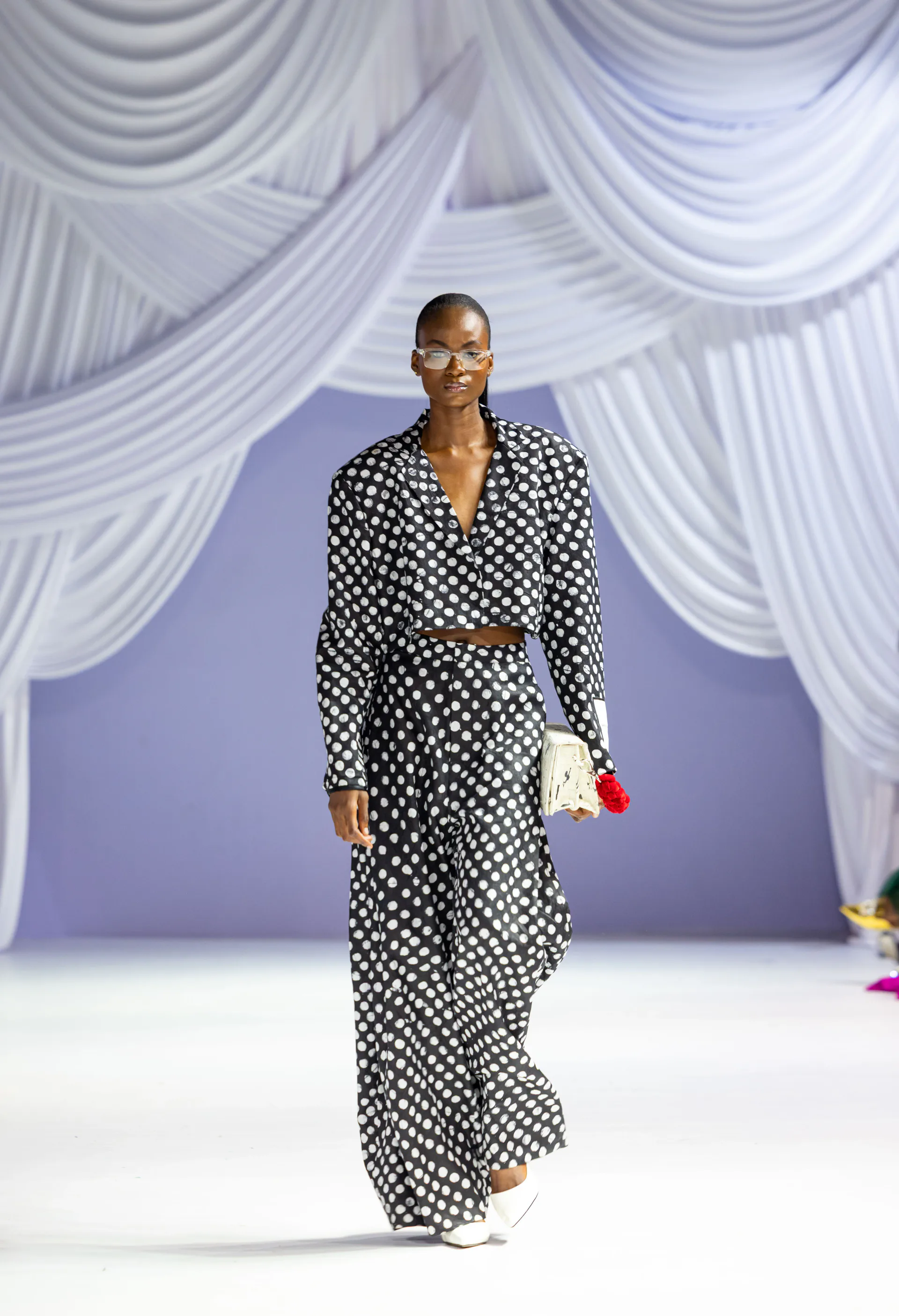
A coordinated set offers structure and versatility in one choice. The Dot Tailored Set from the LAD’26 collection, for example, brings a graphic pattern into a polished silhouette. Wear the pieces together when you want a confident statement; styled separately, each can work with quieter wardrobe staples.
Consider tailoring first if you appreciate clean lines and want a more adaptable entry into the label’s visual world. Check the cut, fabric and styling information carefully, especially if ordering a runway or made-to-order piece.
2. A sculpted dress
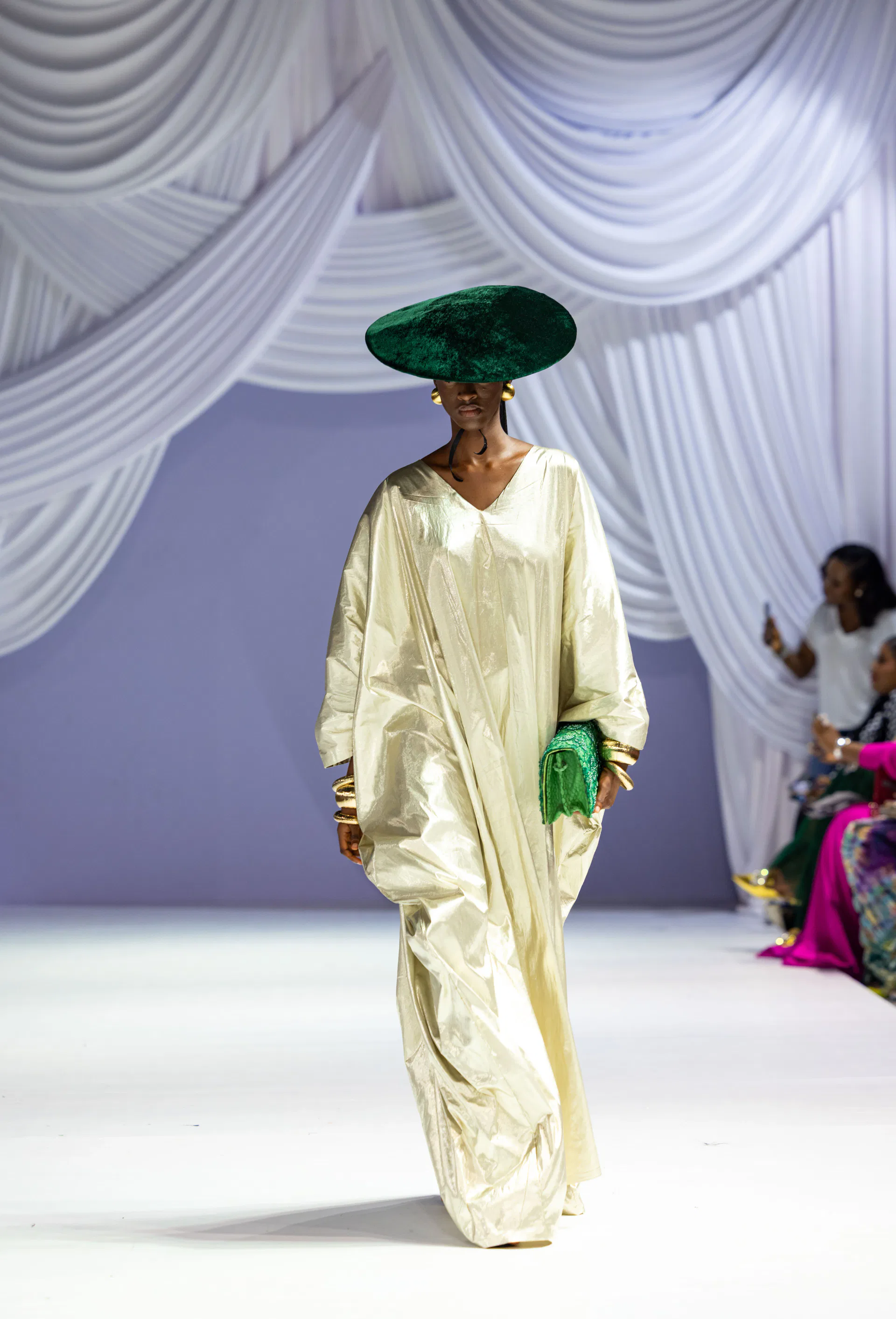
If the silhouette is what draws you to the brand, look for a dress with a distinctive neckline, defined shape or architectural volume. The Ivory Sculpted Dress is one example from the current collection. A restrained colour lets the construction take the lead, making this kind of dress a considered option for a ceremony, formal dinner or event where shape matters more than print.
3. A richly worked evening piece
For a more overtly expressive first purchase, consider a gown where colour, surface and handwork take centre stage. The Gold Embellished Gown illustrates the label’s more dramatic direction. It is the kind of piece to choose when you have a clear occasion in mind and want the garment to set the tone for the whole look.
4. A velvet statement
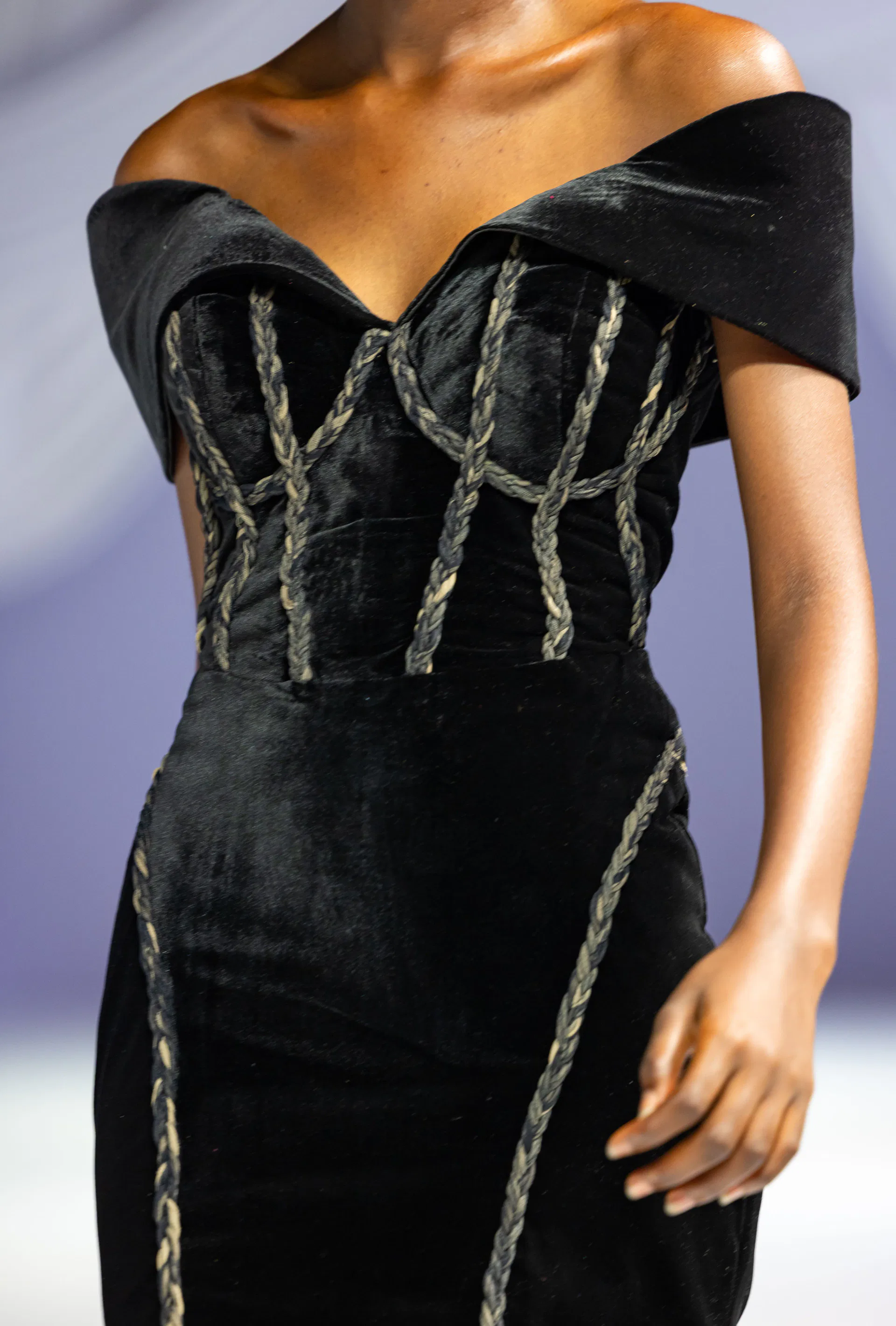
Velvet can make a striking silhouette feel grounded, thanks to its depth and softer finish. In the Black Velvet Look, the texture is a defining feature. This may suit someone who wants drama without relying on a bright print. As with any special-occasion purchase, review the product details and care information before deciding.
These are examples from the label’s collection, not a checklist of essentials. The best first piece is the one whose shape, level of formality and care requirements make sense for you.
How to style an architectural look
Let one detail lead. If the garment has a sculpted shoulder, statement sleeve, embellished bodice or vivid surface, keep accessories purposeful. A refined earring or a single cuff can be enough. For a simpler column dress or tailored look, you have more room to introduce a stronger bag or jewellery.
Balance the proportions. A voluminous sleeve or full skirt often works well with a clean shoe and a compact bag. With a long, relatively minimal silhouette, a more noticeable shoe can add definition. The goal is not to reduce the garment’s impact, but to let its shape read clearly.
Choose colour with care. For a patterned piece, pick up one accent from the design rather than matching every accessory. With metallics, choose a restrained palette around the fabric. Neutral shoes are useful when you want a gown’s colour to remain the focus; a single contrasting shade can feel intentional when it echoes a detail in the textile.
Think about the occasion, and movement. A runway image shows a look at its most considered, but you will experience it in motion. When trying on a dress or set, check that you can sit, walk and lift your arms comfortably. Consider the event’s setting, the expected weather and whether the hem works with the shoes you plan to wear.
For further ideas on combining a statement piece with the rest of your wardrobe, see our guide to styling a designer blazer three ways. Browse women’s clothing at 78+ Designers for complementary wardrobe pieces. For international shoppers, 78+ Designers offers worldwide shipping.
A label defined by considered presence
Lanre Da Silva Ajayi’s architectural quality comes from the way construction, material and movement work together. A tailored set can express it through line; a sculpted dress through shape; a velvet or embellished gown through texture and finish.
Start by identifying what appeals most to you (silhouette, fabric or colour) then choose a piece that suits both your personal style and the occasion. That is the simplest way to appreciate the label: not as fashion that asks for a complicated formula, but as considered design with a clear sense of presence.
