

La Maison du Couturier is a name associated with thoughtful Italian construction, sculptural shapes and a quieter kind of distinction. Rather than relying on prominent logos, its appeal lies in the cut: generous proportions, considered details and a blend of softness with structure.
This guide looks at the label’s design language, what to look for when choosing an early piece, and how to make its distinctive shapes feel at home in a modern wardrobe. One note on availability: much of the public information about the label concerns its work in the 2010s. Retail listings can change, so the suggestions below are best read as a guide to the design, not a confirmation of current stock.
La Maison du Couturier: the design story
Designer Lamberto Petri launched the label in 2010 after working in London retail and gaining experience with Italian garment development and production. In an interview with Modem, Petri described the name as a way to signal attention to Italian manufacture, fabric selection and detail-by-detail construction. “La Maison” also nodded to the early days of selling his first creations from home.
The label’s identity brings together Italian tailoring and a more international sensibility. Profiles of the brand describe a contrast between romantic Italian workmanship and shapes associated with Japanese dress: clean lines, generous volume and a willingness to shift familiar proportions. Petri named Madeleine Vionnet, Yohji Yamamoto and Martin Margiela among his references, for their different approaches to construction, form and concept.
The result is not a uniform look. A piece might feel precise in its seams but relaxed in its shape; restrained in colour but distinctive in silhouette. That balance is central to the label’s appeal.
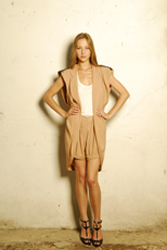
An archival look from the Modem profile of La Maison du Couturier.
What defines its design DNA?
Shape comes first. Expect interest in cut, drape and proportion rather than decoration for its own sake. A roomy coat or gently sculpted dress can make a clear impression without a bold print or conspicuous branding.
Softness meets precision. The label’s reported vocabulary includes fluid shapes, clean edges and considered construction. Petri spoke about fabric and making as integral to the design process, including careful finishing and English seams. When inspecting a piece, look at how it hangs, how seams are finished and whether the fabric supports the intended silhouette.
A restrained palette leaves room for form. Earthy tones and black work naturally with the label’s understated mood. Neutrals also make a voluminous cut easier to combine with existing clothes, though colour and fabric have varied across collections.
Versatility is part of the idea. The point is not simply to own an unusual garment; it is to find one that can shift between settings. A sculptural outer layer might feel polished over tailored separates, then more relaxed with a simple knit and denim.
First pieces to consider
1. A coat or sculptural outer layer
Outerwear is a natural entry point. Petri described starting with three outerwear pieces before the range grew into a small collection. A coat can also show the label’s approach to volume particularly clearly: the way the shoulder sits, how the fabric falls and whether the proportions feel balanced.
Look for a cut that has space without swallowing the frame. Check the shoulder line, sleeve length and how the coat moves when worn open and fastened. A neutral shade can make a more generous shape easy to wear often.

2. A clean-lined dress
A dress is a useful choice if you want the silhouette to do most of the work. Search for a considered shape rather than an abundance of embellishment: a fluid line, an interesting volume through the body, or a precise cut that holds its form. Think about how it will layer, too. A dress that works with a fine knit or a jacket can adapt across seasons.
For a broader reference point when comparing shapes, explore the women’s clothing selection at 78+ Designers and the edit of cocktail dresses. These are category links, not a claim that La Maison du Couturier styles are currently listed.
3. A versatile trouser or relaxed separate
If you already own a distinctive coat or dress, a relaxed trouser or simple top can bring the same sense of proportion into everyday outfits. Choose one clear feature, perhaps a fluid leg or a subtly shaped cut, and keep the rest of the look composed. A separate is also an approachable way to experiment with volume without committing to a full statement silhouette.
4. A graphic capsule piece, for a more expressive choice
The label’s archive includes a more graphic side. The Spring/Summer 2014 “Save Your Animal” capsule used close-up endangered-animal photographs on unisex T-shirts and minimal mini dresses, according to Fashtags’ collection report. This was a particular capsule, not the whole design story. If exploring archival or resale listings, check the garment details and condition carefully, and treat the graphic pieces as a distinct expression of the label.
How to style La Maison du Couturier
The easiest approach is to let one piece lead. With a voluminous coat, keep the foundation simple: a fine knit, straight trousers and understated shoes. The contrast makes the silhouette intentional without adding visual clutter.
For a dress, use layers to adjust the mood. A neat jacket or refined flat can make it feel suitable for daytime; a more defined shoe and a small number of accessories can take it into the evening. Avoid adding multiple competing statement pieces: the original cut should remain easy to see.
If the garment has an especially generous shape, try balancing it with a more streamlined piece elsewhere. A roomy top with a clean trouser line, or a sculptural coat over a simple dress, gives volume space while keeping the outfit composed. On the other hand, a narrow silhouette can take a little more freedom in the outer layer.
Colour can follow the same principle. Black, cream, charcoal and warm neutrals sit naturally beside the label’s restrained character. If wearing a stronger tone or print, repeat one colour elsewhere in the outfit to give the look a quiet sense of connection.
For another practical take on balancing tailored pieces with everyday layers, see how to style a designer blazer three ways.

A considered way to shop the label
La Maison du Couturier is most compelling when the garment’s construction and shape feel purposeful. Before choosing a piece, consider where you will wear it, what layers it needs to work with and how much volume feels comfortable for your day. Check fabric composition, measurements and condition, particularly when browsing older or resale listings.
The label’s available collections may vary between retailers. If you need help confirming details before placing an order, 78+ Designers offers 24/7 customer support via live web chat.
A well-chosen piece does not need to transform your whole wardrobe. A sculptural coat, an adaptable dress or a carefully cut separate can offer a distinct point of view while still working with the clothes you already reach for.


