

Jacob Cohën and Dondup both bring an Italian perspective to premium denim, but they suit different priorities. One puts a strong emphasis on refined finishing and luxury details; the other offers a broader mix of fits and denim types for everyday dressing.
The most useful way to choose between them is to look beyond the label. Consider the cut, rise, fabric composition and how you plan to wear the jeans. This guide focuses on men’s fit examples; individual styles and collections can vary.
The short answer
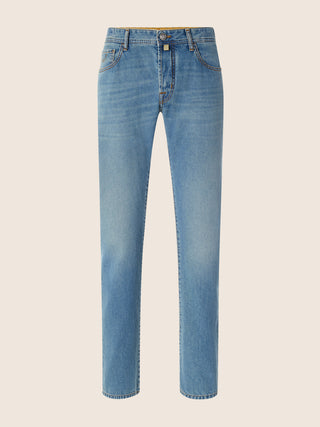
Choose Jacob Cohën if you’re drawn to a tailored, polished five-pocket jean with considered details, premium fabric options and a close, clean profile. The Bard is a useful starting point for a regular-slim silhouette.
Choose Dondup if you want more choice across leg shapes, rises and fabric feels. Its men’s range includes options such as regular, slim and carrot cuts, giving you room to explore different proportions.
Neither brand has one universal fit. The name of the model, and the details on its product page, matter as much as the brand.
At a glance
| Jacob Cohën | Dondup | |
|---|---|---|
| Overall feel | Tailored, polished and detail-led | Contemporary, versatile and fit-led |
| Starting fit to consider | Bard, a regular-slim option | Icon Regular for a classic line; Icon Slim for a closer fit |
| Other silhouettes | A focused range of named fits | A wider mix, including carrot and looser cuts |
| Denim choices | Includes stretch, comfort and selvedge options | Includes stretch and rigid options |
| Best for | A refined five-pocket jean with distinctive finishing | Choosing a silhouette and fabric to suit your wardrobe |
Fit and fabric availability can change by season, wash and individual style.
Jacob Cohën: a tailored finish
Jacob Cohën describes its denim as a luxury option designed to work beyond casual dressing. Its product philosophy highlights Italian manufacturing, premium denim fabrics and carefully considered finishing. The brand says its jeans are assembled in workshops in Veneto, with details such as hand-sewn linings and pockets, individually made buttonholes and distinctive back labels.
That attention to finish is part of the appeal. Details vary by style, but may include special hardware, embroidery or a more elaborate label. If you prefer jeans that feel considered with a blazer or fine-gauge knit, rather than purely relaxed, this is a useful part of the comparison.

For a first look at fit, consider Bard. Jacob Cohën describes it as regular-slim: a balanced choice if you like a defined line but don’t want a very narrow leg. The brand’s men’s jeans collection includes different fabric options, so check the composition on the exact pair. Stretch denim can feel easier through movement than a firmer, rigid fabric.
The brand also describes its jeans as having a slightly curved waistband intended to follow the body’s shape. Still, comfort depends on your proportions and the particular model. Check how the waist, rise and seat sit on you, rather than relying on the fit name alone.
Dondup: a broader choice of cuts
Dondup offers a wider range of leg shapes, which makes it appealing if you have a clear idea of the silhouette you want, or are ready to try a different one. The brand’s men’s jeans collection includes models across slim and regular fits, while current styles also show tapered and carrot-shaped options.
For a familiar everyday shape, look at Icon Regular. Its straight-to-regular line can work well with trainers, boots or a simple leather shoe. If you prefer a closer profile, Icon Slim is a more fitted alternative. The Dian carrot cut offers a different proportion, with more room through the upper leg and a narrower line towards the hem. Check each product’s rise: a low-rise style will sit differently from a regular-waist pair, even if both are described as comfortable.
Dondup’s denim is not one single fabric, either. Its range includes stretch options as well as rigid denim. As a general guide, stretch fabric offers more give; rigid denim tends to feel firmer at first and holds a more structured shape. These are broad fabric tendencies, not guarantees about a specific pair. Check the product composition and care notes before deciding.

Fit guide: choose by shape, not by brand name
1. Start with the rise
The rise affects how jeans sit at the waist and how much room you have through the seat. A regular rise is often a versatile starting point. A low rise may feel less secure or sit differently on your body, so pay particular attention to the product description and measurements.
2. Compare the leg line
A regular-slim cut like Jacob Cohën’s Bard offers a neat outline without the close feel of a skinny jean. Dondup’s regular, slim and carrot options create more distinct alternatives. Think about how you want the hem to fall over your footwear: a narrow opening can sit neatly over a low-profile shoe, while a straighter or roomier leg may suit chunkier trainers and boots.
3. Read the fabric composition
A small amount of stretch can make a close fit easier to wear, while rigid denim may feel more structured. Do not assume that two jeans labelled “slim” will fit alike if their fabric compositions differ. If you’re between sizes, compare the garment measurements and consider the fabric before choosing.
4. Check the exact model and size information
Waist numbers aren’t a guarantee of an identical fit between brands, or even between models from the same brand. Use the size guide for the specific product, and compare the waist, rise, thigh and leg opening with a pair you already find comfortable. When shopping with 78+ Designers, you can review the product details and returns information before placing an order; the store offers a 30-day return policy with a money-back guarantee.
Which brand suits your wardrobe?
Jacob Cohën makes sense if you value a polished finish and want denim that can sit comfortably alongside smarter pieces. A dark, clean-wash Bard with a shirt, knit or unstructured blazer creates a considered casual look. Its more elaborate styles may suit you if visible details are part of the appeal.
Dondup is a strong option if fit choice comes first. An Icon Regular is an easy route to a classic jean; Icon Slim gives a closer line, while a carrot shape can add room above the knee and taper at the ankle. Look at washes and fabric composition as well as the model name to find a version that feels right for daily wear.
For another reference point, browse the Diesel Blue Cotton Bootcut Jeans at 78+ Designers. Their bootcut shape shows how much the leg opening can change the overall effect of a denim outfit.
The verdict
Jacob Cohën is the more detail-led choice, with a tailored sensibility and a focus on refined finishing. Dondup offers more variety in silhouette, making it easier to explore different leg shapes and proportions.
For a balanced starting point, compare the Jacob Cohën Bard with Dondup Icon Regular. If you want a slimmer line, look at Dondup Icon Slim; if you prefer extra room through the upper leg, explore Dondup’s carrot styles. Above all, choose by the exact product’s rise, measurements and fabric, not the brand name alone.
