

Table of Contents
- What Makes a Fabric High Quality
- How to Check Fabric Quality by Touch and Sight
- Natural vs Synthetic Fabrics: What the Difference Means for Quality
- How to Tell if Fabric Will Pill and Lose Shape
- Best Fabrics for Durable Clothing That Stands the Test of Time
- Inspecting Seams, Linings and Construction Details
- Common Mistakes to Avoid When Assessing Fabric Quality
- Frequently Asked Questions
Last Updated: October 11, 2026
What Makes a Fabric High Quality
High quality fabrics share distinct characteristics that separate premium pieces from mass-produced alternatives. Understanding how to identify high quality clothing fabrics helps you build a wardrobe that lasts years rather than seasons.
Quality fabric starts with the raw materials. Natural fibres like cotton, silk, wool, and linen have inherent strength and durability. Synthetic fibres like polyester and nylon can also be high quality, depending on how they’re manufactured and blended.
The way fibres are woven or knitted matters enormously. Tight, consistent construction creates fabric that resists pilling, stretching, and tearing. Loose construction may feel soft initially but degrades quickly with wear and washing.
Weight tells you something important. Heavier fabric generally means more fibre per square inch. A lightweight linen shirt might be high quality, but a flimsy cotton t-shirt will not be. Context matters, you’re comparing within garment types, not across them.
Run your hand across the fabric in both directions. High quality fabrics feel consistent. If it feels smooth one way and rough the other, the weave is uneven and the garment will wear unevenly.
How to Check Fabric Quality by Touch and Sight
Weight and Density
Pick up the garment and feel its weight in your hands. Quality fabric has substance without being stiff or heavy. A dense weave means fibres are packed closely together, which prevents pilling and stretching.
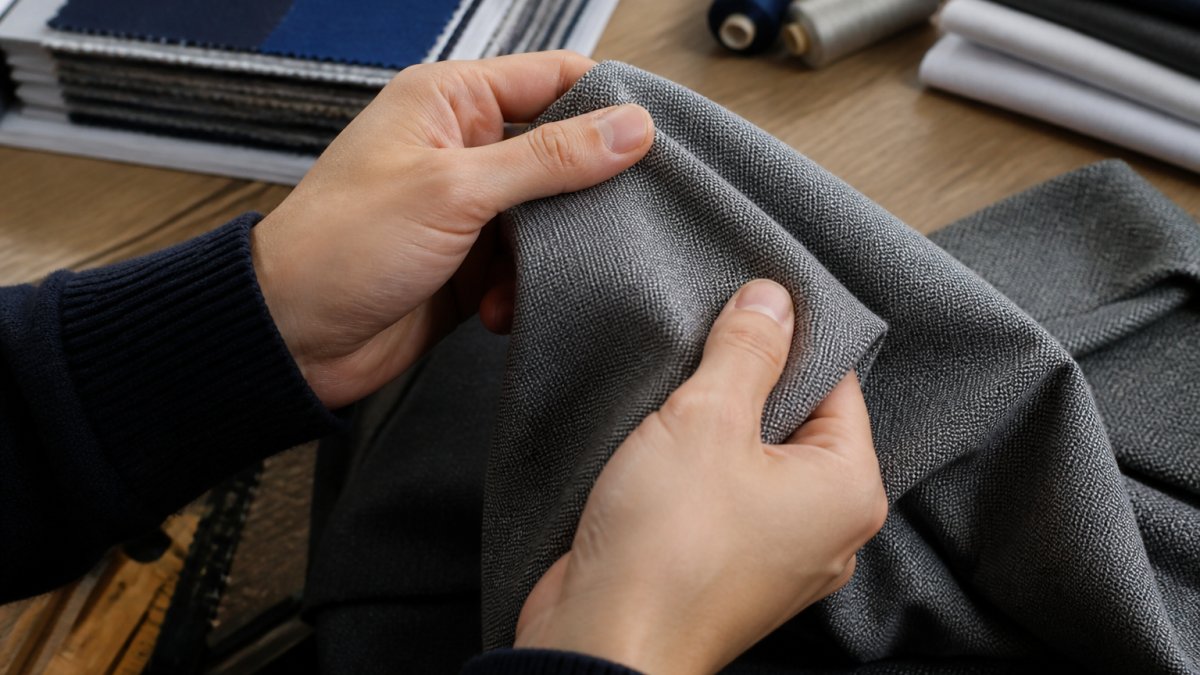
Press your fingernail gently against the fabric. On a tight weave, your nail won’t easily separate the fibres. On loose construction, fibres part easily. Density also affects drape, quality fabric hangs smoothly rather than bunching or clinging awkwardly.
Count the threads if you can see them. More threads per inch means tighter construction. For cotton, 200+ thread count indicates decent quality. For linen, lower thread counts are normal because linen fibres are naturally stronger.
Weave Structure
Examine the weave pattern closely. Common high quality weaves include:
- Plain weave: Simple over-under pattern, balanced and strong
- Twill weave: Diagonal lines, creates durable fabric with good drape
- Sateen weave: Smooth, lustrous surface, used in quality silk and cotton
- Jacquard weave: Complex patterns woven in, indicates skilled manufacturing
Hold the fabric up to light. You should see a consistent pattern. Gaps or irregular spacing suggest poor quality control during manufacturing.
Feel for consistency across the entire piece. Run your hand from seam to seam and corner to corner. If texture changes, the fabric batch was inconsistent or the dye was applied unevenly.
Finish and Texture
Quality fabric feels pleasant without being slippery. A good finish enhances natural properties without masking poor construction underneath. Run your fingers across the surface in both directions.
Pilling resistance matters for longevity. Rub the fabric firmly with your thumb for 10 seconds. If small balls of fibre form immediately, the fabric will pill badly after a few wears. Quality fabrics resist this.
Check for chemical smell. New garments have some odour, but a strong chemical smell indicates harsh processing or low quality dyes. Quality manufacturers use gentler finishing processes.
Natural vs Synthetic Fabrics: What the Difference Means for Quality
Natural fibres breathe better and feel more comfortable against skin. Cotton, linen, silk, and wool regulate temperature and moisture. They’re also biodegradable, which matters if sustainability influences your choices.
Synthetics like polyester and nylon offer specific advantages. They’re durable, resist wrinkles, and dry quickly. High quality synthetics are tightly woven and often blended with natural fibres to combine benefits.
A blend can be superior to pure fibres if done well. A cotton-polyester blend might resist wrinkles better than pure cotton whilst maintaining breathability. Check the label, quality blends list percentages clearly.
Natural doesn’t automatically mean high quality. A loosely woven linen will pill and stretch. Quality depends on construction first, fibre type second.
The finishing process differs between natural and synthetic. Natural fabrics need careful processing to avoid damage. Synthetics need heat treatment to set their shape. Quality manufacturers control both processes precisely.
How to Tell if Fabric Will Pill and Lose Shape
Pilling happens when short fibres work loose and ball up on the surface. It’s one of the clearest signs of low quality construction. Test this before buying.
Rub a small area firmly with your thumb or a soft brush for 10-15 seconds. Quality fabric resists this. Poor fabric shows visible pilling immediately. This test works on any garment type.
Check seams and high-friction areas on existing garments. Armpit seams, inner thighs, and collar edges pill first if the fabric is weak. If these areas look fuzzy after a few wears, the fabric quality is poor.
Stretching indicates weak construction. Pull the fabric gently across the grain. It should return to shape immediately. If it stays stretched, the fibres lack elasticity and the garment will sag after wearing.
Look at the fabric weight again. Lightweight fabrics stretch and pill more easily than heavier ones. This is why a quality t-shirt weighs more than a cheap one.
Avoid fabric that feels fuzzy or has raised fibres on the surface. This indicates loose, short fibres that will pill aggressively. The garment will look worn after 5-10 wears.
Best Fabrics for Durable Clothing That Stands the Test of Time
Dense cotton with high thread count lasts years with proper care. Look for 200+ thread count in woven cotton. Jersey cotton (t-shirt fabric) should feel substantial, not thin.
Linen is exceptionally durable. It actually strengthens when washed. Quality linen has a slight texture that doesn’t feel rough. Cheap linen feels stiff and scratchy.
Wool resists pilling better than most fibres. Merino wool and cashmere are premium options. Standard wool works well if the weave is tight. Avoid wool that feels itchy, that indicates short, low quality fibres.
Silk from quality manufacturers has a subtle sheen and drapes beautifully. Poor silk looks dull or feels papery. Silk blended with cotton or linen creates durable everyday pieces.
Durable synthetics include quality polyester and nylon. These work best blended with natural fibres. Pure polyester can feel plasticky and doesn’t breathe well.
| Fabric Type | Durability | Best For | Key Quality Indicator |
|---|---|---|---|
| Cotton (high thread count) | Excellent | Everyday wear | Feels substantial, consistent weight |
| Linen | Excellent | Summer wear | Slight texture, strengthens when washed |
| Wool | Very good | Knitwear, outerwear | Tight weave, no itchiness |
| Silk | Good | Dressier pieces | Subtle sheen, smooth drape |
| Cotton-polyester blend | Very good | Workwear | Balanced feel, resists wrinkles |
Inspecting Seams, Linings and Construction Details
Seams reveal manufacturing quality instantly. Open a seam slightly and look inside. Stitches should be straight, evenly spaced, and tight. Uneven stitching or loose threads indicate rushed manufacturing.
Count stitches per inch if you can see them clearly. Quality garments have 2-3 stitches per inch minimum. Fewer stitches mean the seam will fail faster under stress.
Check seam placement. Quality garments have seams positioned where they won’t pull or strain. Cheap garments sometimes place seams where they’ll split during normal wear.
Linings protect fabric and improve comfort. Quality linings are smooth and securely attached. Cheap linings wrinkle, bunch, or pull away from seams. Check that lining fabric matches the quality of the outer fabric.
Hems should be even and secure. Run your finger along the hem. Stitches should be invisible or nearly invisible on the outside. Loose or crooked hems suggest careless finishing.
Buttonholes and button attachment matter. Buttons on quality garments are sewn through multiple layers and won’t fall off easily. Buttonholes are cleanly finished without fraying.
Open a seam slightly to inspect stitching. This single check reveals more about quality than anything else. Tight, even stitches mean the manufacturer invested in the garment. Loose or uneven stitches mean they didn’t.
Common Mistakes to Avoid When Assessing Fabric Quality
Don’t assume brand names guarantee quality. Many designer labels use inconsistent fabrics across collections. Inspect each piece individually.
Softness doesn’t equal durability. A fabric can feel luxurious initially but pill aggressively after a few wears. Feel is important, but it’s not the only factor.
Ignore price alone as a quality indicator. Some expensive fabrics are overpriced. Some affordable fabrics are genuinely well-made. Inspect the garment itself.
Don’t judge by appearance in the shop. New garments look crisp and perfect. Wear and washing reveal true quality. If possible, check reviews from people who’ve worn the piece.
Avoid assuming natural fibres are always better than synthetics. A tight-weave polyester blend can outlast loose-weave linen. Quality construction matters more than fibre type.
Don’t overlook the label. Quality manufacturers provide fibre content and care instructions clearly. Vague labels suggest the maker isn’t confident in the product.
Missing information on labels is a red flag. Reputable manufacturers list fibre percentages, country of origin, and care instructions. Blank or unclear labels indicate lower quality control.
Identifying high quality clothing fabrics takes practice, but these checks work immediately. Start by examining the garments already in your wardrobe. Feel the weight, inspect the seams, and notice which pieces have held up well. That tactile experience teaches you more than any guide.
At 78+ Designers, we curate pieces where quality construction is non-negotiable. Every item in our collection has been assessed for fibre quality, weave integrity, and manufacturing detail. When you shop with us, you’re investing in garments built to last, with the distinctive design that elevates your everyday style. Explore our curated collection of premium clothing and experience the difference quality fabric makes in how you look and feel.
Frequently Asked Questions
How can you tell if a fabric is good quality?
High quality fabrics have a tight, consistent weave with no loose threads or slubs. They feel substantial and smooth to the touch, with a weight appropriate to their fibre content. Check the care label for natural fibres like cotton, wool, or silk, and examine seams for even stitching with no puckering. Premium fabrics also resist pilling and maintain their shape after washing. Run your fingers across the surface: quality materials feel refined and uniform, not rough or thin.
Are natural fabrics always better quality than synthetic fabrics?
Not always. Natural fabrics like wool, linen, and silk often offer superior breathability and durability, but high-quality synthetics and blends can outperform poor-quality natural fabrics. What matters is fibre quality, construction, and finish. A well-made polyester blend may last longer than loosely woven cotton. The best fabrics for durable clothing often combine natural and synthetic fibres strategically: merino wool with nylon for strength, or cotton with elastane for recovery. Always assess the specific fabric’s weight, weave, and care requirements rather than relying on fibre type alone.
How can you tell whether a fabric will pill?
Examine the fabric closely for existing loose fibres or bobbles. Rub a small area gently with your finger or the back of your hand: quality fabrics resist pilling, whilst loosely woven or low-quality materials pill immediately. Natural fibres like wool and cotton pill more readily than tightly constructed synthetics, though premium wool resists pilling better than budget alternatives. Tightly woven fabrics with high thread counts pill far less than loosely spun materials.
What should you look for when checking fabric quality in a shop?
Start by reading the fibre content and care label: premium pieces list specific percentages and often include details about construction. Hold the garment up to light to check weave density and consistency. Feel the fabric’s weight and drape: it should feel substantial, not flimsy. Examine the seams closely for even, tight stitching with no loose threads. Check the hem and lining for quality finishing. Look for symmetry in patterns and prints. Finally, assess the overall construction: hems should be wide enough to allow for alterations, and buttonholes should be reinforced and finished cleanly.
