

Table of Contents
- What Are Fashion Trend Traps and Why They Cost You Money
- How to Stop Impulse Buying Clothes You Won’t Wear
- Identifying Quality Fabrics in Clothing Before You Buy
- Timeless Fashion Pieces to Invest in Instead of Chasing Trends
- The Cost of Trend-Chasing: Real Examples of Fashion Mistakes
- Building a Wardrobe That Resists Trend Pressure
- Frequently Asked Questions
Last Updated: September 21, 2026
What Are Fashion Trend Traps and Why They Cost You Money
Fashion trend traps are the impulse purchases you make chasing what’s popular right now, only to regret them months later. They’re the pieces that looked perfect on Instagram but don’t fit your actual life. They’re the expensive items you wear once and forget about.
The real cost isn’t just the money spent. It’s the wardrobe clutter. It’s the mental burden of owning clothes you don’t love. It’s the time wasted scrolling through new collections instead of wearing what you already have.
Trend-chasing creates a cycle. You buy something because everyone else is wearing it. Six months later, that trend fades. The piece sits unworn. You feel pressured to buy the next trend to stay current. The cycle repeats.
Here’s what most people miss: the pieces that last aren’t the ones everyone’s talking about today. They’re the ones that work with your lifestyle, your body, and your existing wardrobe. They’re the investment pieces that solve a real problem, not the ones that solve a social media problem.
The most satisfied customers aren’t the ones chasing every new trend. They’re the ones who build a wardrobe around quality and fit first, then add trends sparingly. They know exactly what works for them before they buy.
Trend traps cost money because they don’t align with your life. The solution isn’t avoiding trends entirely, it’s choosing them strategically and building a foundation of timeless pieces first.
How to Stop Impulse Buying Clothes You Won’t Wear
Impulse buying happens for a reason. You see something. It sparks emotion. You buy it before your brain catches up.
The fix starts before you shop. Ask yourself three questions before adding anything to your basket:
- Does this match at least three pieces I already own?
- Will I wear this in the next two weeks?
- Does this solve a real gap in my wardrobe?
If you answer “no” to any of these, stop. Wait 48 hours. Come back to it. Most impulse purchases disappear from your mind within two days.
Another strategy: set a spending limit per month on trend pieces. Make it small, enough to experiment, not enough to damage your budget. This creates natural friction. You’ll think harder about each purchase because you know you only have room for a few.
Track what you actually wear. Spend one week noting which items you reach for. You’ll see patterns. Maybe you wear the same five tops constantly. Maybe you have entire sections of your wardrobe you ignore. This data tells you what to buy next and what to avoid.
The biggest mistake is buying something “just in case” you’ll wear it. You won’t. Clothes you buy with hesitation stay unworn. Only buy things you’re excited to wear immediately.
Identifying Quality Fabrics in Clothing Before You Buy
Quality fabric is the difference between a piece that lasts five years and one that falls apart after five washes.
Before you buy, touch the fabric. Feel the weight. Natural fibres like wool, silk, and linen feel substantial. They have texture. Cheap synthetics feel thin and plasticky. If something feels flimsy in your hands, it will feel flimsy when you wear it.
Check the label. Look for natural fibres or high-quality blends. Pure cotton is good. Cotton blended with elastane (usually 2-5%) is better, it holds its shape. Pure polyester isn’t necessarily bad, but it should feel like quality polyester, not cheap.
Examine the seams. Run your finger along the inside. Seams should be straight and tight. Loose, wavy seams mean the piece was rushed. It will unravel. Look at hems and edges. Are they finished properly or just cut?
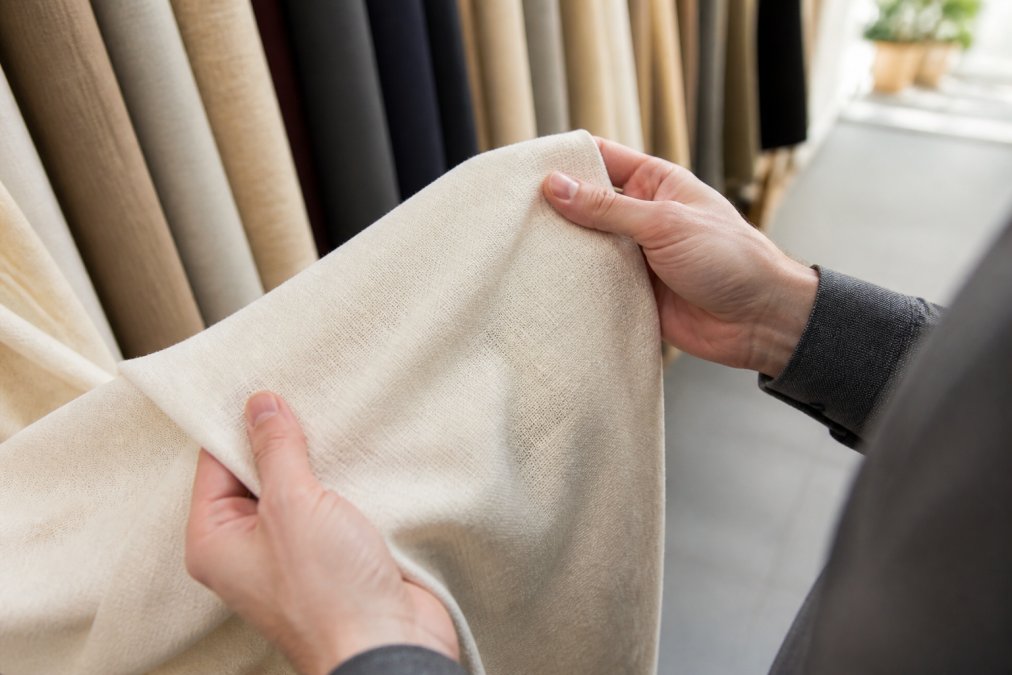
Weight matters. Hold two similar pieces side by side. The heavier one is usually better quality. It means more fabric, tighter weave, better construction. This is especially true for basics like t-shirts and trousers.
Ask yourself: would this piece look better or worse after ten washes? Quality fabric improves with age. Cheap fabric fades, pills, and stretches out of shape.
Timeless Fashion Pieces to Invest in Instead of Chasing Trends
Timeless fashion pieces to invest in are the foundation of every strong wardrobe. These are the items that work five years from now because they’re not tied to what’s popular today.
A well-fitted white button-up shirt is non-negotiable. It works with jeans, trousers, skirts, and dresses. It layers under sweaters. It’s formal enough for meetings and casual enough for weekends. This is the piece that justifies a higher price tag because you’ll wear it constantly.
Dark jeans in a classic cut. Not the most extreme fit or wash. Something neutral that pairs with everything. This piece should be comfortable enough to wear all day but polished enough for evening.
A neutral blazer in navy, charcoal, or camel. It transforms casual outfits into professional ones. It adds structure and sophistication. Quality matters here, cheap blazers look cheap. Good ones look expensive.
Quality knitwear in neutral colours. A merino wool jumper, a cashmere cardigan, a well-made sweater. These pieces work year-round. They layer beautifully. They last for years if you buy quality.
Tailored trousers that fit your body properly. Not trendy. Not loose. Fitted to your actual shape. This is where tailoring pays off. A £50 pair of trousers that fits perfectly beats a £200 pair that doesn’t.
A structured handbag in a neutral colour. Leather is worth the investment. It ages beautifully. It works with everything. Avoid novelty bags, they date quickly.
Simple shoes: white trainers, black leather flats, neutral ankle boots, classic leather shoes. These work with everything. They’re boring on purpose. Boring is the point.
When buying timeless pieces, prioritise fit over everything else. A perfect-fitting piece in a basic colour will be worn constantly. A trendy piece that doesn’t fit perfectly will sit unworn.
The Cost of Trend-Chasing: Real Examples of Fashion Mistakes
Understanding how trend-chasing fails helps you avoid it.
Consider the example of micro-mini skirts. They were everywhere in 2024. People bought them. They wore them maybe twice. By 2025, they looked dated. Now they sit in wardrobes unworn. The money spent was real. The regret is real. The wasted space is real.
Oversized blazers in neon colours followed the same pattern. Trendy for one season. Then gone. People who bought them for work found they couldn’t wear them anymore without looking out of step. People who bought them casually found they clashed with everything else in their wardrobe.
Cargo trousers with excessive pockets and straps came back. Some people invested heavily. Then the trend shifted again. Now they’re stuck with pieces that scream “2025” instead of looking timeless.
The pattern is always the same: trend arrives, you buy it, you wear it twice, it becomes dated, you own something you won’t wear.
Compare this to someone who bought a quality white shirt five years ago. They still wear it. It’s still appropriate. It still looks good. The cost per wear is tiny because the piece works across years, not just seasons.
This is why investing in timeless fashion pieces to invest in matters. You’re not avoiding trends. You’re just not letting trends be your entire wardrobe.
Building a Wardrobe That Resists Trend Pressure
A wardrobe that resists trend pressure starts with a clear personal style. Not what’s popular. What actually works for you.
Spend a week noting what you reach for. What colours do you wear most? What silhouettes make you feel confident? What fits your lifestyle? A person in back-to-back meetings needs different pieces than someone working from home. A person who goes to formal events needs different pieces than someone who doesn’t.
Your personal style is the filter. Everything else gets evaluated against it. If something doesn’t fit your style, you don’t buy it, no matter how trendy it is.
Set rules for yourself:
- One trend piece per season maximum
- Every trend piece must work with existing items
- Trend pieces should be affordable, if it costs more than your budget, it’s not a trend piece, it’s an investment piece
- If you’re unsure, wait two weeks
| Strategy | Purpose | Frequency |
|---|---|---|
| Define personal style | Filter all purchases | Once, then ongoing |
| Build neutral foundation | Create versatile base | First 3-6 months |
| Add trend pieces carefully | Refresh without excess | One per season |
| Review quarterly | Remove non-worn items | Every 3 months |
| Invest in quality basics | Maximise cost-per-wear | Ongoing |
Frequently Asked Questions
What is a fashion trend trap?
A fashion trend trap is buying clothing because it’s currently trendy, without considering whether it suits your lifestyle, body, or existing wardrobe. These purchases often end up unworn because the trend fades or the piece doesn’t integrate with your personal style. Trend traps cost money and clutter your wardrobe with items you’ll abandon within months. Recognising them helps you avoid fashion trend traps and build a more intentional wardrobe.
How can I identify high-quality clothing that will last?
Examine seams for tight, even stitching with no loose threads. Check fabric weight and feel, quality materials have substance and drape well. Look for natural fibres like wool, silk, linen, or cotton, or high-quality blends. Test zips and buttons for smooth operation. Read care labels; if washing instructions are vague, quality may be compromised. Inspect hems and linings for neat finishing. These details signal whether a piece will withstand regular wear.
How do I stop impulse buying clothes I don’t wear?
Create a 48-hour rule: wait two days before purchasing anything. During that time, check if the piece matches at least three existing items in your wardrobe. Ask yourself whether you’d wear it within the next month. Unsubscribe from marketing emails that trigger impulse purchases. Shop with a list of specific gaps in your wardrobe rather than browsing. Avoid shopping when emotional or tired. These practices help you stop impulse buying clothes and make deliberate, considered choices instead.
Why do professionals in their 30s and 50s struggle with fashion trend pressure?
This age group often faces conflicting pressures: wanting to stay contemporary without appearing to chase trends, needing professional credibility whilst expressing personal style, and managing a busy schedule with limited time for wardrobe management. Social media amplifies trend visibility, making it harder to ignore what’s current. Investment in quality pieces feels risky when trends change rapidly. Understanding that timeless, well-made clothing actually projects more confidence and authority than trend-led choices helps overcome this pressure.


