

Table of Contents
- Curated Fashion Boutique vs Department Stores: The Quick Comparison
- How the Shopping Experience Differs
- The Benefits of Independent Fashion Boutiques
- Selection and Exclusivity: Unique Pieces vs Volume
- Personal Styling Services vs Self-Service Shopping
- How to Build a Capsule Wardrobe with Designer Pieces
- Returns, Guarantees and Aftercare Compared
- Which One Should You Choose?
- Frequently Asked Questions
Last Updated: September 27, 2026
Curated Fashion Boutique vs Department Stores: The Quick Comparison
The core difference between a curated fashion boutique and a department store comes down to focus versus volume. A department store stocks hundreds of labels across beauty, home and fashion; a curated boutique edits that down to a tight selection chosen for a specific customer. At 78+ Designers, we built our entire model around that second approach, because most style-conscious professionals don’t need more choice, they need better choice.
Here’s the short version: department stores win on sheer range and instant availability, while curated fashion boutiques win on discovery, service and the odds that what you buy actually suits you.
| Factor | Curated Boutique | Department Store |
|---|---|---|
| Range | Tight, edited selection | Hundreds of brands |
| Service | Personal styling, advice | Self-service, optional help |
| Exclusivity | Limited runs, niche labels | Broad, mass availability |
| Atmosphere | Calm, focused | Busy, high footfall |
| Aftercare | Dedicated support | Standard policy |
How the Shopping Experience Differs
The shopping experience splits into two distinct modes: physical atmosphere and digital discovery. Each suits a different kind of buyer on a different kind of day.
In-store atmosphere and service
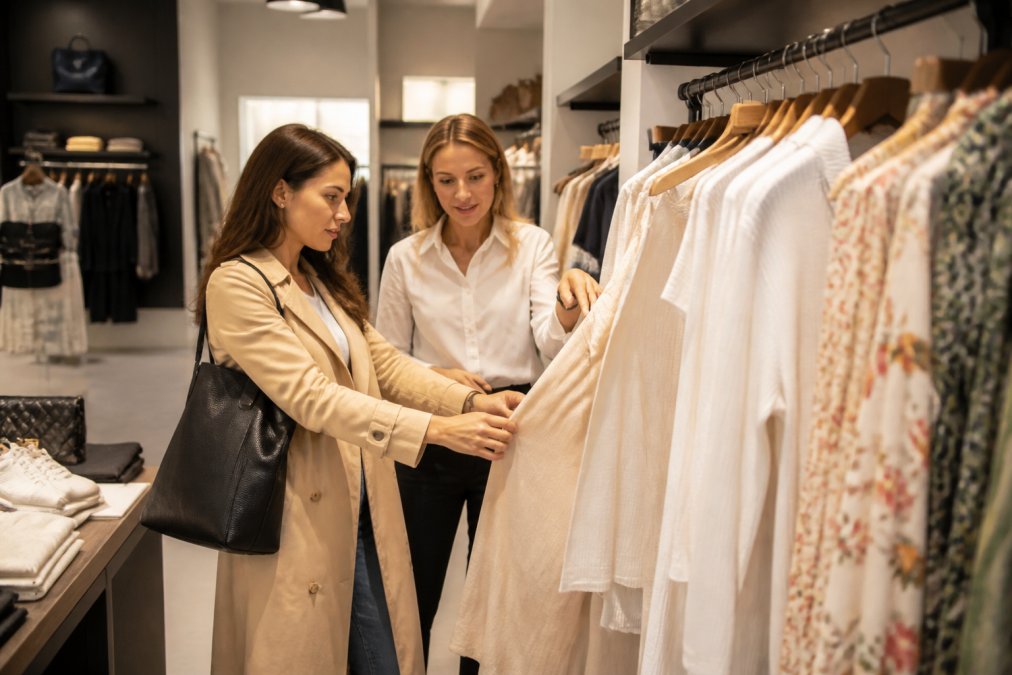
A boutique feels quieter by design. Staff usually know the stock intimately and can pull pieces that suit your build and colouring. Department stores offer energy and choice, but the volume of product and foot traffic can overwhelm. If you want to think clearly, the boutique usually wins.
Online discovery and browsing
Online, the gap narrows but doesn’t vanish. Department store sites are vast, which means filters do most of the work. Curated retailers tend to present fewer, better-chosen pieces, so browsing feels more like reading a shortlist than searching a warehouse. For anyone short on time, that difference matters. This intentional approach to inventory reflects the broader philosophy behind curated lifestyle shops, where the focus remains on building a cohesive identity rather than simply filling digital shelves.
The Benefits of Independent Fashion Boutiques
The clearest benefit of an independent fashion boutique is editorial judgement. Someone has already done the filtering for you, deciding which pieces are worth your attention and which aren’t. That saves time and reduces the risk of buying something that looked good online but doesn’t work in practice.
Other advantages come with that model:
- A point of view, rather than an endless shelf
- Staff who can advise on fit and styling, not just ring up a sale
- Smaller runs, so you’re less likely to see your coat on three other people
- A relationship with the retailer, which helps with returns and future recommendations
Many shoppers find that this focused approach leads to fewer, better purchases over a year.
Selection and Exclusivity: Unique Pieces vs Volume
Selection is where the two models diverge most sharply. A department store’s strength is breadth: if you need a specific brand in a specific size today, it probably has it. A boutique’s strength is depth of curation, often with labels and pieces you won’t find on every high street.
That trade-off cuts both ways. Volume means availability and easy comparison. Curation means a higher hit rate per item and a wardrobe that feels less generic.
When judging exclusivity, ask a boutique how it selects stock. A genuine edit has a clear rationale, whether that’s a design aesthetic, a fabric standard or a specific customer. If the answer is vague, it’s just a smaller shop.
Personal Styling Services vs Self-Service Shopping
Personal styling services replace the guesswork of self-service shopping with direct advice. In a boutique, that might mean a stylist who knows your measurements and suggests complete outfits. In a department store, it usually means booking a session in advance, which can be excellent but is less spontaneous.
Self-service suits confident shoppers who know exactly what they want. Styling suits anyone building a wardrobe from scratch or refreshing a work rotation. The right choice depends on how much time you want to spend deciding.
How to Build a Capsule Wardrobe with Designer Pieces
Building a capsule wardrobe with designer pieces starts with a small number of versatile foundations, then layers in statement items. The goal is fewer pieces that work harder, not more pieces that compete.
A practical sequence:
- Choose two neutral base colours for trousers, skirts and knitwear
- Add one structured jacket or blazer that fits across seasons
- Pick two or three statement pieces you genuinely love
- Fill gaps with quality basics, then stop
- Review after a month and remove anything you haven’t worn
A boutique helps here because its edit is already narrowed. Instead of sifting hundreds of options, you’re choosing between a handful of well-matched pieces.
Returns, Guarantees and Aftercare Compared
Returns and aftercare often decide where people actually buy. Department stores typically offer standard returns windows and in-store processing, which is convenient if you’re nearby. Boutiques vary more, so it pays to check the policy before you commit.
At 78+ Designers, every order comes with a 30-day return policy and a 30-day money-back guarantee, plus 24/7 support and live web chat if something isn’t right. Shipping is worldwide. For a premium purchase, knowing the aftercare before you buy removes most of the risk.
Never assume a returns window applies to sale items or altered garments. Many retailers shorten or exclude these, and finding out after purchase is an expensive lesson.
Which One Should You Choose?
Choose a department store when you need range, same-day availability or to compare many brands in one trip. Choose a curated fashion boutique when you want guidance, a tighter edit and pieces that feel chosen rather than stumbled upon.
For professionals building a wardrobe that has to work across meetings, events and travel, the boutique model usually delivers a better result per purchase. You spend less time filtering and more time wearing things you actually like.
If that sounds like the way you’d rather shop, 78+ Designers curates premium men’s and women’s clothing and accessories with exactly that in mind. You get access to high-end designer pieces, effortless styling and a satisfaction guarantee backed by our 30-day money-back policy. Get started with 78+ Designers and build a wardrobe that stands out.
Frequently Asked Questions
What are the main benefits of shopping at a curated fashion boutique?
A curated fashion boutique offers a tightly edited selection, so you spend less time filtering through mass-market stock. You get personalised advice, access to lesser-known designers, and often exclusive pieces you will not see on every high street. The environment is calmer, and staff usually have deeper product knowledge. For professionals who need distinctive workwear, that curation saves time and reduces the risk of buying something that does not fit your wardrobe.
Do department stores offer better value than independent boutiques?
It depends on what you value. Department stores can offer competitive pricing through volume buying and seasonal sales, plus loyalty schemes. Boutiques often stock smaller runs, which means less discounting but more exclusivity. The value of a boutique piece comes from its design, fabric quality and how well it integrates with your existing wardrobe. If you wear an item regularly for years, the cost per wear can be lower than a cheaper trend piece.
Are curated boutiques better for finding unique designer pieces?
Yes, generally. Curated boutiques buy in small quantities and focus on a specific aesthetic, so you are less likely to see the same piece on multiple people. They often carry emerging or niche designers that larger stores overlook because they cannot meet high-volume orders. This makes them a strong choice for anyone who wants a wardrobe that feels personal rather than mass-produced.
Is the return policy better at department stores or boutiques?
Department stores usually have standardised return windows, often 28 to 30 days, and may accept returns in any branch. Boutiques vary widely: some offer 14 days, others 30, and online-only boutiques may require you to post items back at your own cost. Always check the specific policy before buying. A boutique that offers a 30-day return and money-back guarantee gives you comparable protection to a large store.
How do I decide which retail environment suits my fashion needs?
Start by defining your goal. If you need a broad choice and like browsing multiple brands in one trip, a department store works well. If you want a focused edit, expert styling and pieces that feel exclusive, a curated boutique is likely a better fit. Consider how much time you have, whether you want guidance, and how important it is to own something not everyone else has. Many people use both: boutiques for statement pieces, department stores for basics.
